

In brief
- The FDA has accepted the Investigational New Drug (IND) application from biopharmaceutical company DemeRx for DMX-1001, an oral form of noribogaine, the primary metabolite of ibogaine.
- The compound has already completed a Phase 1 multiple-ascending-dose trial in healthy volunteers, with safety and pharmacokinetic data that the company deems sufficient to move forward.
- The target indication is alcohol use disorder. Phase 2 is scheduled for 2027, following a preliminary alcohol-interaction study.
DemeRx announced on April 23, 2026, that the U.S. FDA has accepted its Investigational New Drug (IND) application for DMX-1001, an oral molecule based on noribogaine. This green light paves the way to study the compound in people with alcohol use disorder, a condition with very few available pharmacological options.
What is DMX-1001 and how does it differ from ibogaine?
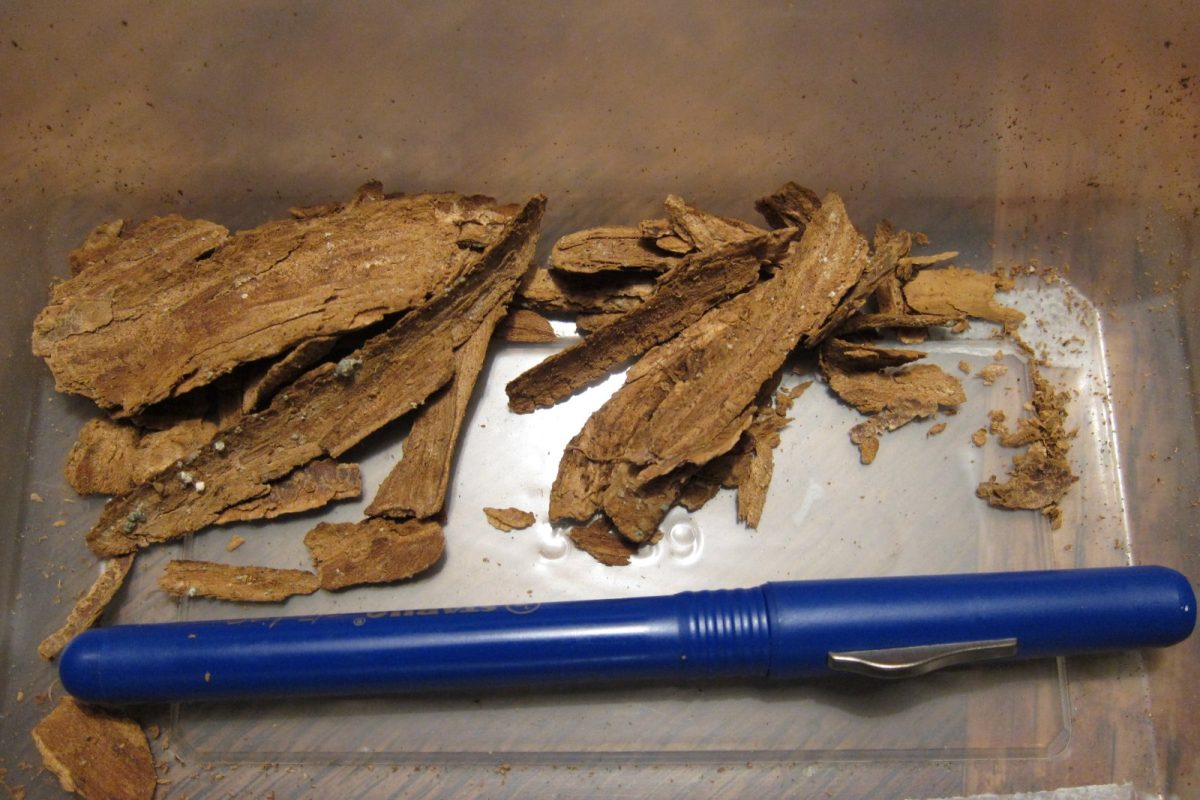
Noribogaine is the primary active metabolite of ibogaine, the alkaloid from the root of the African shrub Tabernanthe iboga. For decades, it has been used outside regulated circuits—primarily in clinics outside the United States—to support detoxification processes for opioids and other substances. DemeRx describes DMX-1001 as a long-acting “neuroplastogen”: it remains in the body longer than original ibogaine and is intended to induce sustained neuroplastic changes aimed at repairing neural circuits damaged by chronic consumption, in addition to providing rapid antidepressant and anxiolytic effects. According to the company, its profile does not replicate the intense psychedelic experience of ibogaine, which would facilitate its management as a prescribed oral medication.
What is already known about the compound
Prior to this IND acceptance, DMX-1001 completed a Phase 1 multiple-ascending-dose trial in healthy volunteers which, according to the company, yielded a safety, tolerability, and pharmacokinetic profile sufficient to advance to Phase 2. The company, led by Dr. Deborah Mash, notes the magnitude of the problem it is addressing: alcohol use disorder affects more than 29 million people in the United States, less than 5% receive pharmacological treatment, and about 60% of those who do receive treatment return to risky consumption within six months. “There is a huge need for innovative approaches that change the course of the disease,” Mash noted in the statement. The next step will be an alcohol-interaction study before beginning the Phase 2 trial in 2027.
What this implies
It is important to keep this news in perspective: this is an authorization to conduct research, not a marketing approval, and the company itself places the start of Phase 2 more than a year away. Safety data come from early studies in healthy volunteers, with no detailed results yet published in peer-reviewed journals, meaning the actual efficacy for alcohol use disorder remains to be proven. Even with these caveats, the move aligns with the institutional acceleration currently seen in the iboga field in the United States, where Texas has already launched its own clinical trials. For those approaching these substances outside of trials, information remains the best tool: ibogaine has well-documented cardiac effects that require specific precautions, and our harm reduction and responsible use guide outlines the basic guidelines.
Source
- DemeRx. DemeRx Announces FDA Acceptance of IND Application to Advance DMX-1001 for the Treatment of Alcohol Use Disorder (AUD). BioSpace, April 23, 2026.
Educational content written from a harm reduction perspective and with respect for individual freedom. It is not a substitute for advice from a healthcare professional and is not intended to encourage or condemn any drug use.