

In brief
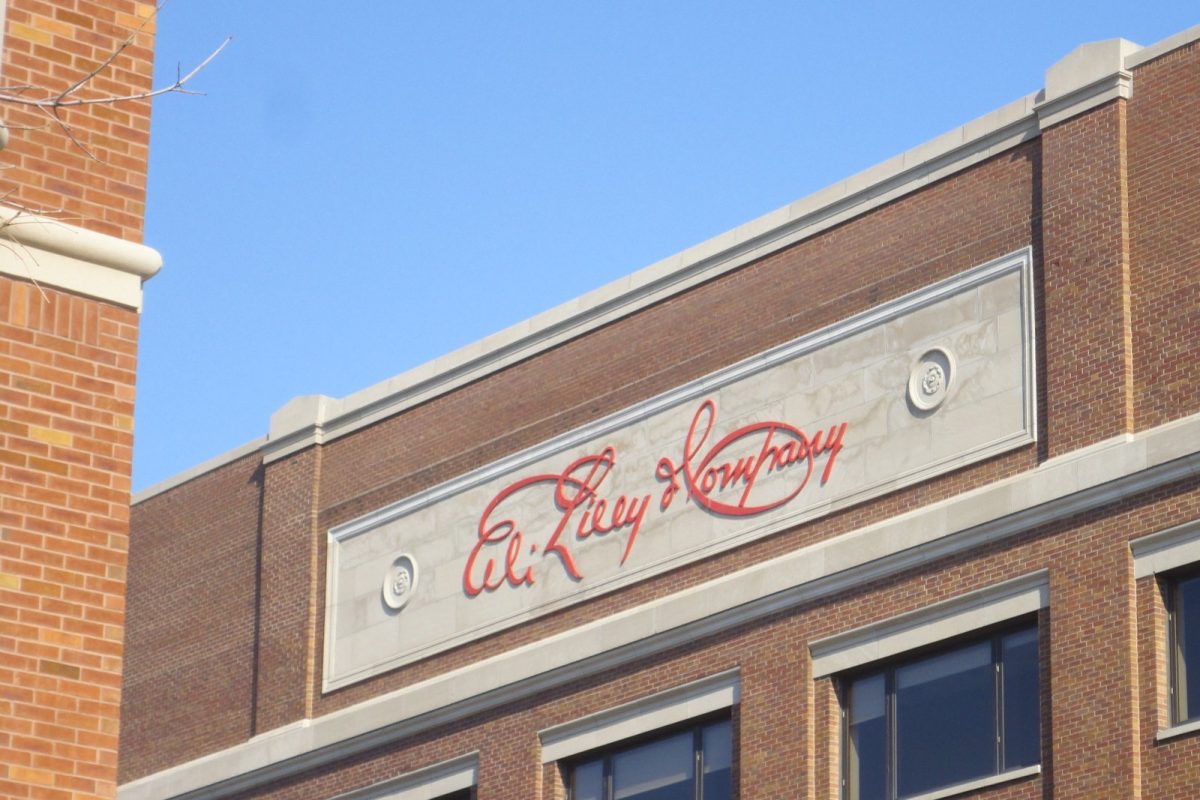
- Eli Lilly, the world’s largest pharmaceutical company, has agreed to acquire biotech firm AtaiBeckley for up to $3.8 billion, the largest corporate deal in the history of the psychedelic sector.
- The key asset driving the acquisition is BPL-003, a synthetic 5-MeO-DMT (mebufotenin) nasal spray entering phase 3 trials for treatment-resistant depression.
- In the phase 2b trial, 81% of patients receiving the combined 8 and 12 mg dose responded to treatment, with 67% remaining in remission four months after a single clinical visit.
On July 16, Eli Lilly announced the acquisition of AtaiBeckley, a company formed through the merger of atai Life Sciences and Beckley Psytech, in a deal valuing the business at approximately $2.8 billion upfront plus up to an additional $1 billion tied to regulatory milestones. It marks the strongest signal to date that Big Pharma views psychedelics as a commercially viable sector rather than a niche curiosity.
What exactly Lilly is buying
AtaiBeckley’s flagship asset is BPL-003, a patented intranasal formulation of 5-MeO-DMT (mebufotenin benzoate) designed to be administered in a single in-clinic session lasting roughly two hours—significantly shorter than the four to six hours typically required for other psychedelic therapies. According to the press release, Lilly will pay $6.75 per share in cash at closing—expected in the third quarter of 2026, subject to shareholder and regulatory approvals—plus up to an additional $2.50 per share through contingent value rights (CVRs) tied to the progress of BPL-003 and a second compound, VLS-01, an oral transmucosal DMT film currently advancing through phase 2b. Carole Ho, executive vice president of Lilly Neuroscience, along with Srinivas Rao and Christian Angermayer leading AtaiBeckley, signed off on the release.
The data backing the bet
In October 2025, the U.S. FDA granted BPL-003 Breakthrough Therapy designation for treatment-resistant depression, an expedited regulatory pathway for drugs demonstrating early clinical evidence of substantial improvement over existing options. Phase 2b data, including its open-label extension, demonstrated rapid and durable antidepressant effects following a single session, with the majority of patients on the highest dose sustaining clinical response months later. Phase 3, which will determine whether these results hold up in a larger, more rigorous trial, is currently in preparation.
What it means
For a heavyweight like Lilly to invest billions into a synthetic derivative of a molecule found in the venom of certain toads and several plant species represents a seismic shift for the field. It brings financial muscle, large-scale manufacturing capacity, and regulatory expertise that no small biotech startup could match alone. Even so, the usual caution surrounding corporate announcements remains warranted: the strongest data published so far come from a phase 2b trial and its open-label extension, with relatively small sample sizes lacking the definitive confirmation only phase 3 trials provide; final approval and any eventual legal rescheduling of the substance in the United States remain several years away. Yet even with those caveats, the transaction cements 5-MeO-DMT—long known in ritual and self-exploratory contexts—as one of the most clinically and commercially promising psychedelic molecules today.
Source
- Eli Lilly and Company. Lilly to acquire AtaiBeckley to advance therapies for treatment-resistant depression and other mental health conditions. Official press release, via BioSpace, July 16, 2026.
Educational content written from a harm reduction perspective and with respect for individual freedom. It is not a substitute for advice from a healthcare professional and is not intended to encourage or condemn any drug use.


