

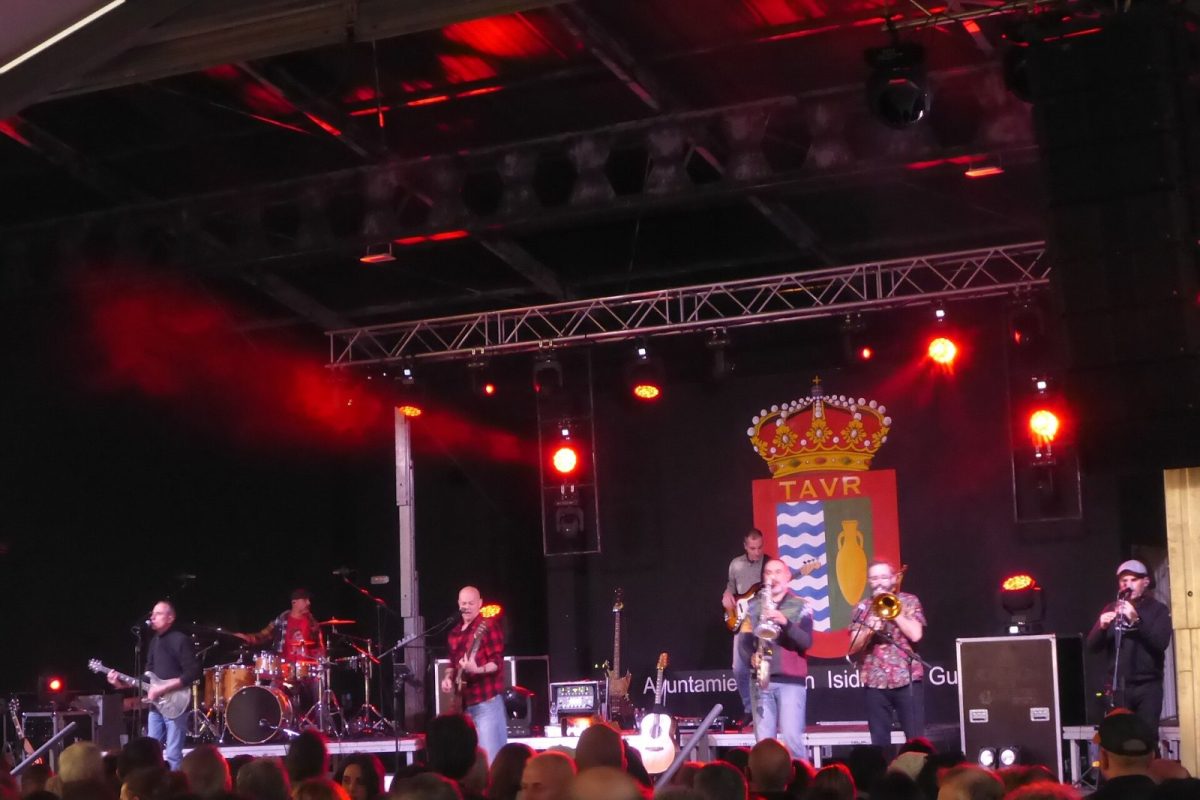
A band that sings to life (and its excesses, too)
Few rock bands in Spain carry a history as recognizable as that of Celtas Cortos. Emerging from Valladolid in the late eighties, they have managed to sustain for decades a unique blend of bagpipes, violins, and electric guitars, without abandoning the social vein that earned them a loyal following. In the Psiconáutica archives, we keep an interview conducted for the release of 40 de Abril, their sixteenth work, in which the band led by Jesús “Cifu” Cifuentes reflected on their music and, in passing, their dealings with psychoactive substances. We return to it not out of nostalgia, but to look with a certain critical distance at how popular culture has narrated cannabis and alcohol.
The return of 40 de Abril: closing a circle
Almost twenty years after Salida de Emergencia (1989), their instrumental debut, Celtas Cortos released an album of twelve new tracks with which they claimed to return to the “original essence” of the group. The title, they said at the time, was born half-jokingly from a song about a breakup: a way to laugh at themselves and their own trajectory. For them, the album symbolized above all a promise kept—the full reincorporation of Cifu—and a comfortable state of form, eager to “keep on fighting.”
They described that reincorporation naturally: an “atypical” group where whoever needs to “go out for some fresh air” does so and returns, because Cifu may have been out of the band but never out of their lives. Personal continuity, rather than discipline, was for them the recipe for staying fresh: enthusiasm and the energy returned by the audience during live shows.
Instrumentals: the group’s less commercial heart
On that album, they included three entirely instrumental pieces—“Beni’s reel,” “Pollo al Q-rell,” and “31 Sardinas”—the type of tracks that, according to them, require the most work in the rehearsal room and provide the most satisfaction. They did not rule out an entirely instrumental album, as they had already experimented with “El alquimista loco,” although they did not see it as viable in the short term. They trusted, however, that part of their audience would receive it well. It was a way to remember that, beneath the festive label, there is a group with craft and a penchant for roots music.
Lyrics, combative spirit, and the question of drugs
When asked about a supposed shift toward more intimate lyrics—feelings, memories, love—versus their protest songs, they nuanced it: those subjects were always present, and on that album, they coexisted with three songs of “underlying resentment.” Social commitment, they said, was not going to change at that stage, and it continued to be expressed outside of the songs as well, by collaborating with causes and organizations.
The point that interests us most to reread today is that of substances. The interview included a song dedicated to wine and a direct question about the music industry’s hypocrisy regarding drugs. Their response was clear: “hypocrisy exists, but in all areas, not just in music.” They also recalled that their live shows included explicit nods to cannabis—in “Cuéntame un cuento,” for example, they played with the image of smoking weed on the beach—and that their relationship with the plant was one of “love and respect.” In the quick-fire questionnaire, when asked for a “confessable vice,” they replied without hesitation: wine.
Five adjectives and a talismanic toast
The portrait the band painted of their own music fits their mythology: “rebellious, cheerful, supportive, loving, and sincere.” They cited as landmark albums Fisherman’s Blues by The Waterboys and Clandestino by Manu Chao; as their favorite moment, the hour of the concert; and as a quirk, never going on stage without their “talismanic toast” accompanied by a battle cry. Small details that explain why, beyond the music, the group projects an idea of community and celebration.
Critical reading
These statements are a document of their time and a cultural tone that should be read with care. Talking about cannabis as “our favorite plant” or wine as a “confessable vice” is part of a festive imaginary that normalizes consumption and tends to erase its risks. This is not a reproach to the band—they were not giving health advice—but a reminder for the reader: romanticism surrounding substances often silences what is difficult to verbalize.
From a harm reduction perspective, it is worth remembering a few things that songs rarely mention. Alcohol is, by far, the legal psychoactive substance with the greatest health impact in Spain, and its cultural normalization does not make it harmless. In the case of cannabis, frequent use or use started in adolescence is associated with greater psychological vulnerability, and its effect varies greatly depending on the person, the context, and the potency of the product. Enjoying a song that evokes an afternoon on the beach is legitimate; taking it as a consumption guide is not. Psychoactive culture deserves to be celebrated, but also thought through.


