

In brief
- A review compiles 24 vine species and 13 leaf species linked to ayahuasca preparation in scientific literature.
- Only five vines and four leaf plants have dual backing: peer-reviewed publications and herbarium specimens.
- Chemical data remains almost entirely concentrated on two plants, Banisteriopsis caapi and Psychotria viridis.
When discussing ayahuasca, two plants are almost always cited: the vine Banisteriopsis caapi and the leaves of Psychotria viridis. A new review published in the Journal of Ethnopharmacology argues that the brew is associated with greater botanical diversity than is commonly recognized, although the strength of the evidence varies significantly depending on the species.
An inventory based on evidence
The team, affiliated with the University of Brasília, did not simply aggregate mentions. They combined a narrative review of ethnobotanical and phytochemical literature with data from herbarium specimens—preserved and cataloged botanical samples that allow for the verification of plant identity. They then assessed each taxon based on the strength of its support: peer-reviewed publications, herbarium records associated with vernacular names, and current taxonomic concepts.
The underlying idea is useful for anyone who has read about the subject: local plant names do not always coincide with the species described by botany, and the same label can hide different plants. Sorting out this confusion requires a clear framework of what is and is not included.
What they found
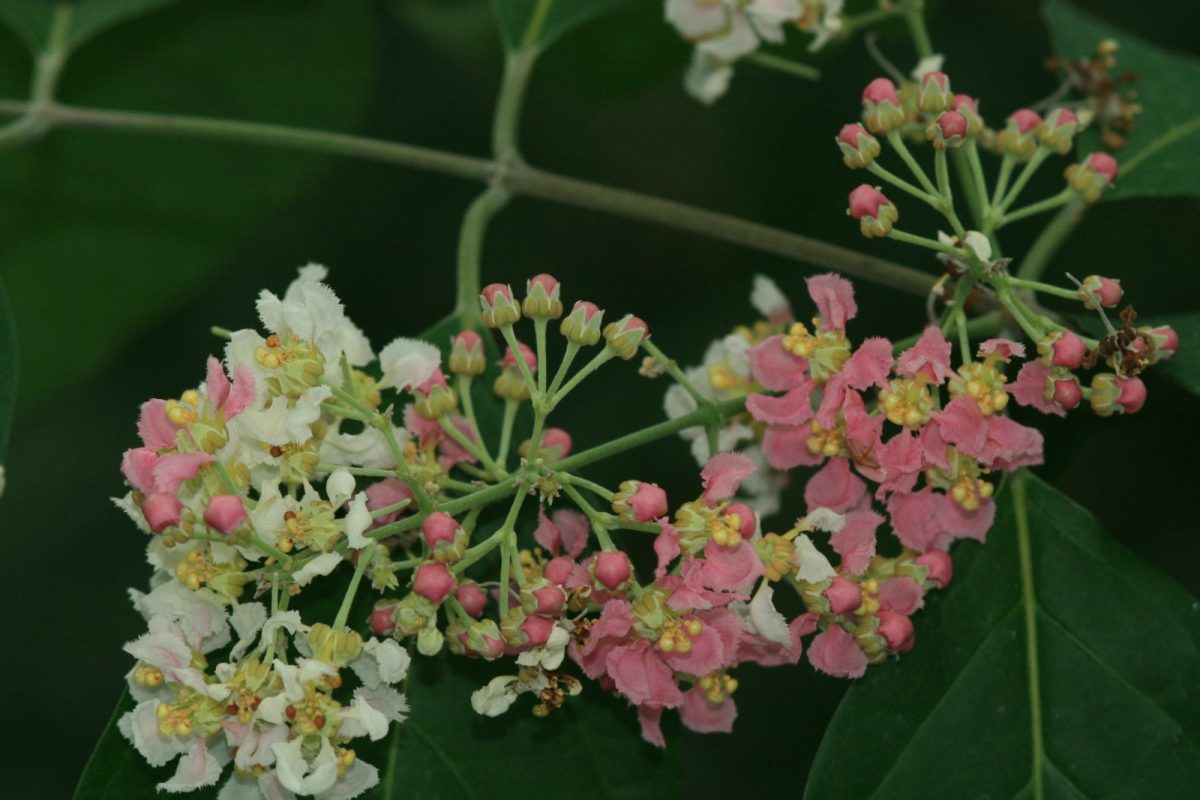
The review identified 24 vine species, all from the Malpighiaceae family, and 13 species cited as leaf ingredients, distributed between Malpighiaceae and Rubiaceae. It also accounted for 119 ethnotaxa of B. caapi—local categories used by different peoples to name and distinguish their varieties of the vine—and two of P. viridis.
Upon applying the criteria, five vines and four leaf plants were classified as historically confirmed ingredients, supported by both bibliographic and herbarium evidence. Ten vines and three leaf plants are listed as putative taxa, supported only by herbarium specimens. Nine vines and six leaf plants were excluded due to a lack of sufficient evidence. Additionally, the authors located eighty species that are occasionally added to the drink.
The study’s summary adds an important limitation: phytochemical information is highly concentrated on B. caapi and P. viridis, meaning little is known about the composition of most of the other plants.
What it implies
This review does not measure effects on people or propose uses; it is a cataloging effort. Its value, according to the authors, lies in offering an evidence-based framework to distinguish historically backed ingredients from putative ones and to guide future research on a drink used traditionally among Indigenous peoples and local communities in the Amazon.
It also serves as a reminder of a general principle in harm reduction: ayahuasca is not a single, constant formula, and knowing which plants are involved is a first step toward understanding what is being prepared. For more context on this drink and its central molecule, you can consult our page on ayahuasca and DMT, and for its place in traditions, the one dedicated to the history and culture of psychedelic thought.
Source
- Saavedra-Saenz YC et al. Unveiling ayahuasca: Comprehensive Study of Botanical and Chemical Diversity. Journal of Ethnopharmacology, September 2026.
Educational content written from a harm reduction perspective and with respect for individual freedom. It is not a substitute for advice from a healthcare professional and is not intended to encourage or condemn any drug use.