

In brief
- A functional magnetic resonance imaging (fMRI) study compares the brains of people with methamphetamine use disorder before and after receiving psilocybin combined with psychotherapy.
- Following the intervention, a reorganization of connectivity between the attention, default mode, and salience networks appears.
- Those who reduced their consumption the most regained more frontostriatal and attentional connectivity. The design is exploratory and lacks a comparison group in the abstract.
An Australian team has published an analysis in the American Journal of Neuroradiology of brain images from people with methamphetamine use disorder who received psilocybin accompanied by psychotherapy. The scans show a reorganization of connectivity across several brain networks, and these changes correlate with the extent of the reduction in drug use.
What was measured and how
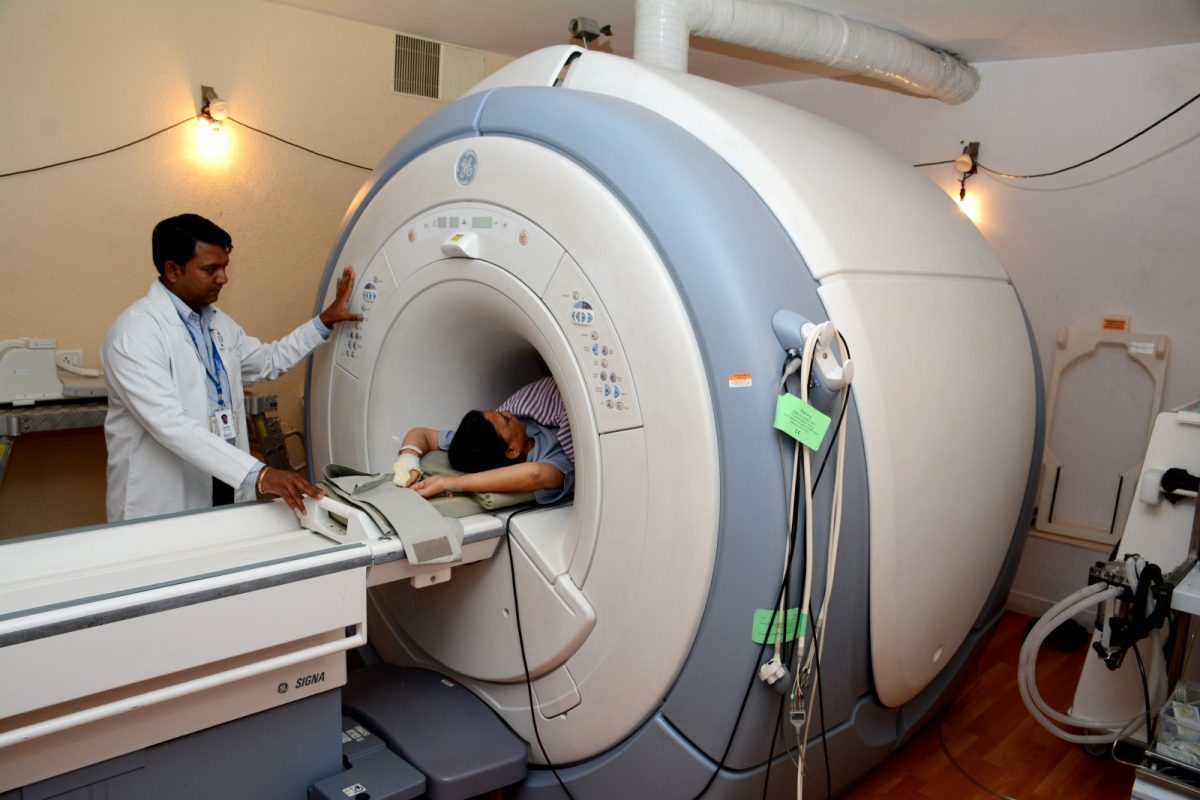
The authors (Joga Chaganti, Krista J. Siefried, Veda S. Vyakaranam, Liam Acheson, and Jonathan Brett) describe an exploratory, prospective, longitudinal study. Each participant underwent a resting-state functional MRI before and after psilocybin, which was administered alongside psychotherapy.
The analysis utilized two scales. The first was large-scale connectivity between known networks: default mode, salience, dorsal attention, and executive control. The second was the local synchrony of each region, measured via an index called regional homogeneity (ReHo). Researchers then cross-referenced these changes with clinical measures of methamphetamine use, craving, and psychological distress.
What the scans revealed
Following the intervention, researchers observed a reorganization of connectivity within and between the attentional, default mode, and salience networks. Improved network integration was accompanied by increases in local synchrony in frontal and sensorimotor regions.
The clinical links are the most interesting part of the work. A greater reduction in methamphetamine use was associated with the recovery of frontostriatal and attentional connectivity. Furthermore, a decrease in psychological distress was associated with stronger integration of attentional and prefrontal-striatal circuits. These are correlations, not proof that the brain changes themselves cause the improvement.
The published abstract does not indicate how many people participated, so we cannot provide that figure. For context: the same clinical group from Sydney (Siefried and Brett are among the authors) published an open-label pilot in Addiction in 2025 with 15 participants, involving three preparation sessions, a single 25 mg oral dose of psilocybin, and two integration sessions. In that study, methamphetamine use in the 28 days prior went from a median of 12 days at screening to 0 days at day 28 and 2 days at day 90. We cannot confirm that the scans in this new article come from those same participants, as the abstract does not specify.
What it implies
Methamphetamine use disorder has few effective treatments, hence the interest in exploring alternatives. This study provides something different than a count of consumption days: a clue as to what might be changing in the networks that sustain attention, control, and the relevance the brain assigns to stimuli.
The caveats are typical for this stage of research. It is an exploratory study, the associations between imaging and consumption do not prove causality, and the authors speak of “preliminary evidence” and potential biomarkers of network plasticity, not a confirmed result. To determine if psilocybin provides benefits beyond the psychotherapeutic support, randomized trials with a comparison group are required—a necessity noted by the authors of the 2025 pilot themselves.
If you are interested in the general landscape of this field, you can find more context in our pillar on psilocybin and magic mushrooms and in the psychedelic science and therapy section.
Source
- Chaganti J, Siefried KJ, Vyakaranam VS, Acheson L, Brett J. Large-Scale and Local Functional Connectivity Changes following Psilocybin Administration in Methamphetamine Use Disorder. AJNR Am J Neuroradiol, October 1, 2026 (DOI 10.3174/ajnr.a9364).
- Knock E, Siefried KJ, et al. Psilocybin-assisted psychotherapy for methamphetamine use disorder: a pilot open-label safety and feasibility study. Addiction, September 2025.
Educational content written from a harm reduction perspective and with respect for individual freedom. It is not a substitute for advice from a healthcare professional and is not intended to encourage or condemn any drug use.