

In brief
- A meta-analysis of six randomized trials involving 1,832 women links the use of ketamine or esketamine, administered during or immediately after a scheduled C-section, to fewer depressive symptoms between days 3 and 14 postpartum.
- The effect is small-to-moderate (standardized mean difference of −0.36) and was measured using a symptom scale rather than clinical diagnoses.
- The authors themselves state it is too early to discuss prevention and are calling for larger studies with longer follow-up periods.
Postpartum depression affects a significant number of mothers and is frequently detected late. A team from Florida International University and the University at Buffalo has presented a meta-analysis exploring whether a dissociative anesthetic, administered in the operating room, could dampen early symptoms.
What was compared
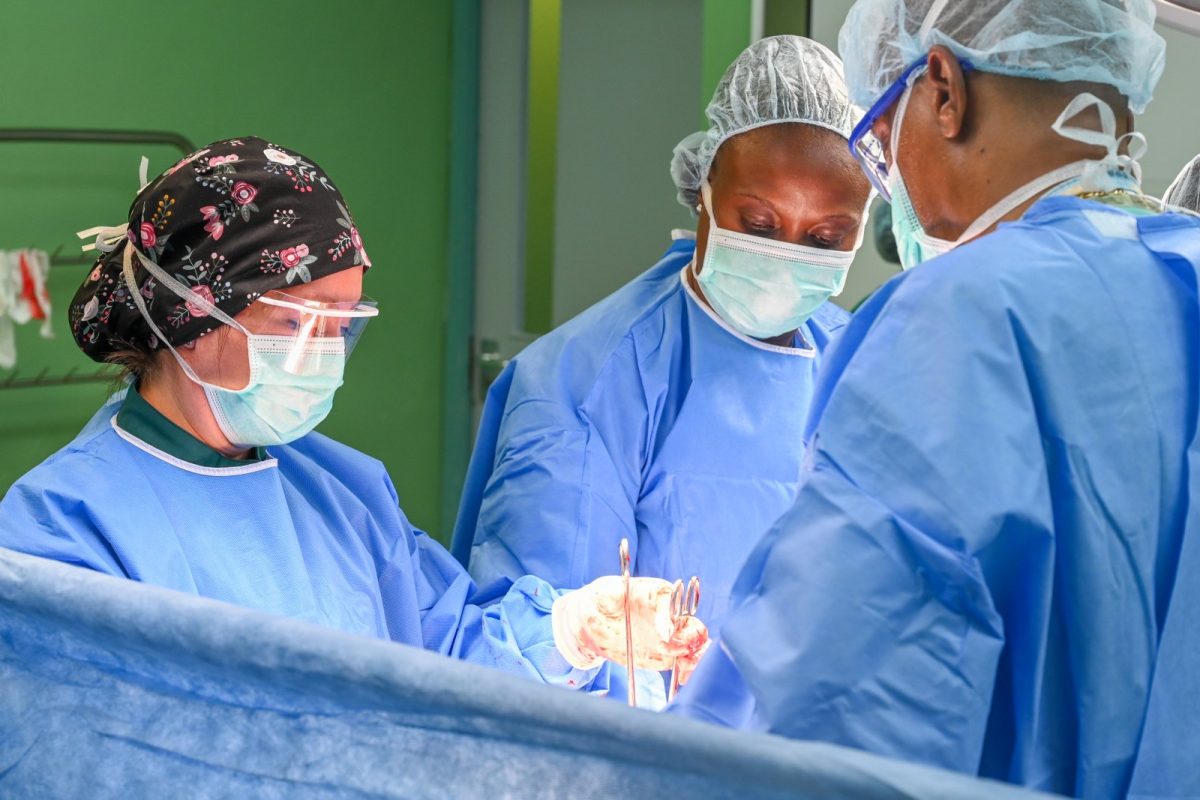
The study aggregates six randomized clinical trials published between January 2015 and September 2025. Collectively, they include 1,832 women who underwent scheduled C-sections. In all cases, the administration of ketamine or esketamine during or immediately after the procedure was compared to not receiving the drug.
The primary outcome variable was the score on the Edinburgh Postnatal Depression Scale, a widely used questionnaire that measures self-reported symptoms. Assessments were conducted between the third and fourteenth day following the operation.
What the data shows
Women who received ketamine or esketamine scored lower than those in the control group. The standardized mean difference was −0.36, which the authors describe as a small-to-moderate, statistically significant effect. In other words, there is a signal, but it is not a radical transformation, and it pertains only to the first two weeks.
The meeting press release does not detail the dosages used or the side effects recorded—two data points that will be important for assessing the risk-benefit balance. It also does not indicate the journal where the work will be published, as the study was presented at the ANESTHESIOLOGY 2026 congress, hosted by the American Society of Anesthesiologists. Consequently, this is a conference communication and not yet a peer-reviewed article.
What it implies
It is important to distinguish between two things. One is that depressive symptoms score slightly lower on a questionnaire for a few days. Another, quite different, is the prevention of diagnosed postpartum depression. The lead author, Peter Hsin, acknowledges this: based on current evidence, it is too early to claim that ketamine prevents the clinical condition, and larger studies with longer follow-up are needed to establish dosages and timing. No one yet knows if the benefit lasts for weeks or months.
The context must also be remembered. Scheduled C-sections are highly controlled environments with anesthesiologists present, continuous monitoring, and measured doses; none of this is extrapolatable to other contexts. Co-author Rose Berkun notes that her group is preparing a prospective, randomized trial in Buffalo, which will help clarify whether the signal holds up.
For those interested in how ketamine is being used beyond anesthesia, our pillar on ketamine and dissociatives gathers the rest of the evidence, and the psychedelics hub situates these lines of research in a broader context.
Source
- American Society of Anesthesiologists (via Medical Xpress). Ketamine during or after C-sections may ease early postpartum depression symptoms, new study suggests. Presentation at ANESTHESIOLOGY 2026, October 17, 2026.
Educational content written from a harm reduction perspective and with respect for individual freedom. It is not a substitute for advice from a healthcare professional and is not intended to encourage or condemn any drug use.