

In brief
- A German triple-blind, active-placebo (nicotinamide) trial evaluated a single 25 mg dose of psilocybin alongside psychological support for treatment-resistant depression.
- It missed its primary endpoint: the 6-week response rate was 17% for psilocybin versus 10.6% for placebo, a non-significant difference.
- However, it showed clear improvements in secondary endpoints and a rapid response in week one, alongside adverse events that warrant serious attention.
Psilocybin has made headlines for years as a potential breakthrough for depression that fails to respond to conventional medications. A rigorous trial published in 2026, known as EPISODE, paints a more nuanced picture: the compound showed signals of efficacy, but failed to outperform its comparator on the primary outcome measure defined in advance. In the authors’ own words, the result is “inconclusive.”
The Study
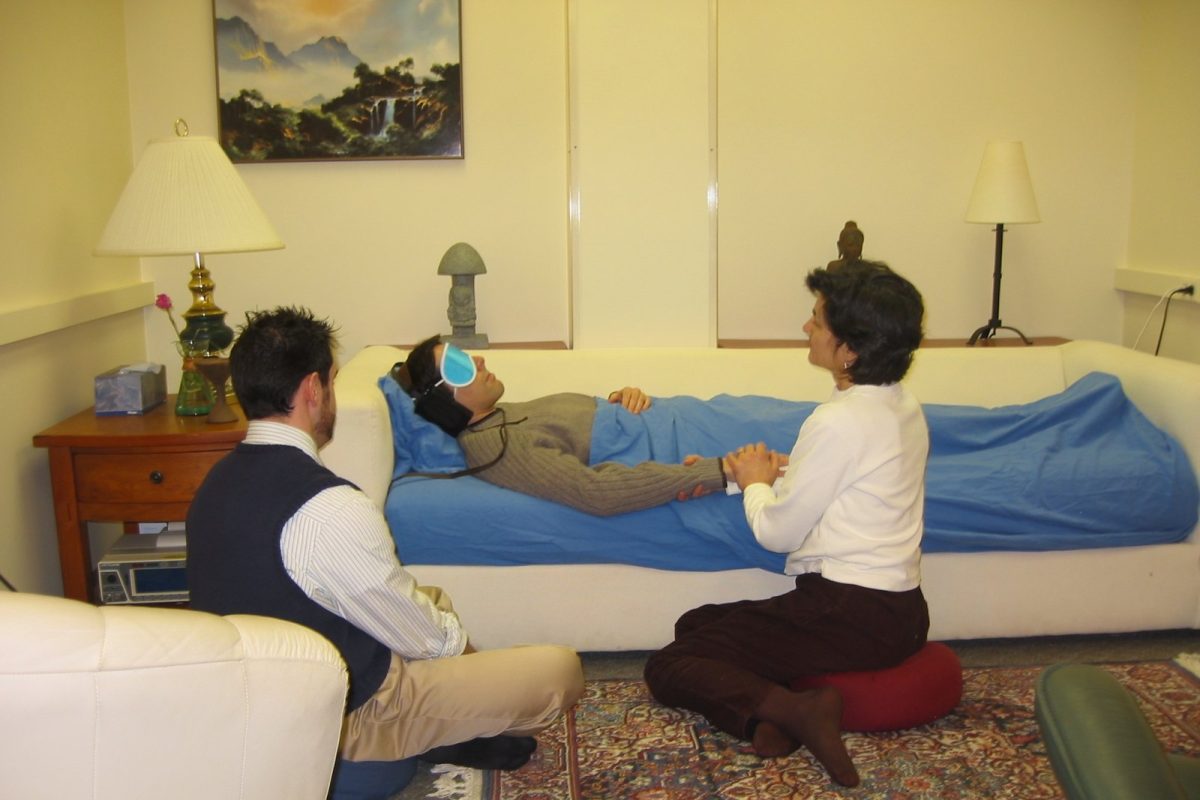
Published in JAMA Psychiatry in 2026 (Mertens et al.), the research was a phase 2b trial conducted across two centers in Germany. Its methodology was among the most rigorous ever applied to a psychedelic: triple-blind (neither the participant, the administrator, nor the outcome evaluator knew what had been given) with an active placebo, nicotinamide (vitamin B3), chosen specifically to make it harder to guess who received the real drug. A total of 144 individuals with treatment-resistant depression were randomized across study arms receiving 25 mg psilocybin, 5 mg psilocybin, or placebo, always paired with psychological support. The primary efficacy analysis included 142 participants.
The Findings
The primary endpoint was the six-week “response rate,” defined as at least a 50% reduction on the Hamilton Depression Rating Scale (HAMD-17). Here, the trial fell short: 17% of the 25 mg group responded (8 of 47 participants), compared to 12.5% in the 5 mg group and 10.6% in the placebo group—a statistically non-significant difference (p = .19). Formally speaking, the study missed its primary target.
The picture shifts when examining secondary endpoints. In terms of mean symptom reduction at six weeks, 25 mg psilocybin outperformed placebo by 4.6 points on the Hamilton scale (p < .001), while the low dose beat it by 3.1 points (p = .02). On a self-reported questionnaire (BDI-II), the 25 mg dose held a 7.2-point advantage over placebo. The speed of onset was especially striking: by week one, 34% of the 25 mg group had responded, compared to just 6.4% in the placebo group. In other words, there was a genuine and rapid effect, but one that failed to translate into a distinct difference on the specific metric chosen as the primary endpoint at six weeks.
Regarding safety, nearly all participants experienced some adverse event, mostly concentrated around dosing days. Six participants (4%) in the high-dose group reported suicidal ideation on those days—higher than the comparator groups—and two serious adverse events related to 25 mg psilocybin were documented, including one case of hallucinogen persisting perception disorder (HPPD).
What It Means (and What It Doesn’t)
An honest reading requires looking at both sides. On one hand, this is precisely the kind of finding scientific research needs: a well-designed trial with an active placebo designed to avoid self-deception, willing to report a negative outcome on its primary endpoint rather than hyping a headline. That psilocybin failed to beat nicotinamide on that specific measure does not mean it “doesn’t work”; it means that under rigorous blinding, the effect is more modest and harder to demonstrate than earlier studies with less stringent comparators suggested.
On the other hand, the positive signals—average symptom reduction and a rapid response during the first week—are consistent with the hypothesis that the substance exerts a meaningful effect in at least some individuals. The authors themselves describe a “clinically meaningful” reduction in symptoms that nevertheless failed to reach significance on the predefined benchmark. It is also worth remembering that this is an early-stage study with a moderate sample size, conducted in a clinical setting with structured psychological support: none of this resembles unsupported self-medication.
The adverse events, including suicidal ideation on dosing days, reinforce that this field demands respect and caution, not uncritical enthusiasm. Psilocybin is neither a “miracle cure” nor a demonized threat: it is an investigational compound whose risk-benefit profile is undergoing close scrutiny. From a harm reduction standpoint, the takeaway is clear and measured: there is good reason to continue studying it rigorously, and equally good reason not to make promises that the evidence does not yet support.
Source
- Mertens LJ, Koslowski M, Betzler F, et al. Efficacy and Safety of Psilocybin in Treatment-Resistant Major Depression: The EPISODE Randomized Clinical Trial. JAMA Psychiatry, 2026. DOI: 10.1001/jamapsychiatry.2026.0132
Educational content written from a harm reduction perspective and with respect for individual freedom. It is not a substitute for advice from a healthcare professional and is not intended to encourage or condemn any drug use.


