

In brief
- A clinical case published in Frontiers in Psychiatry documents 17 months of ketamine abstinence following ibogaine treatment.
- It describes a longitudinal observation with serial tests and scales, not proof of efficacy or continuous abstinence on every day.
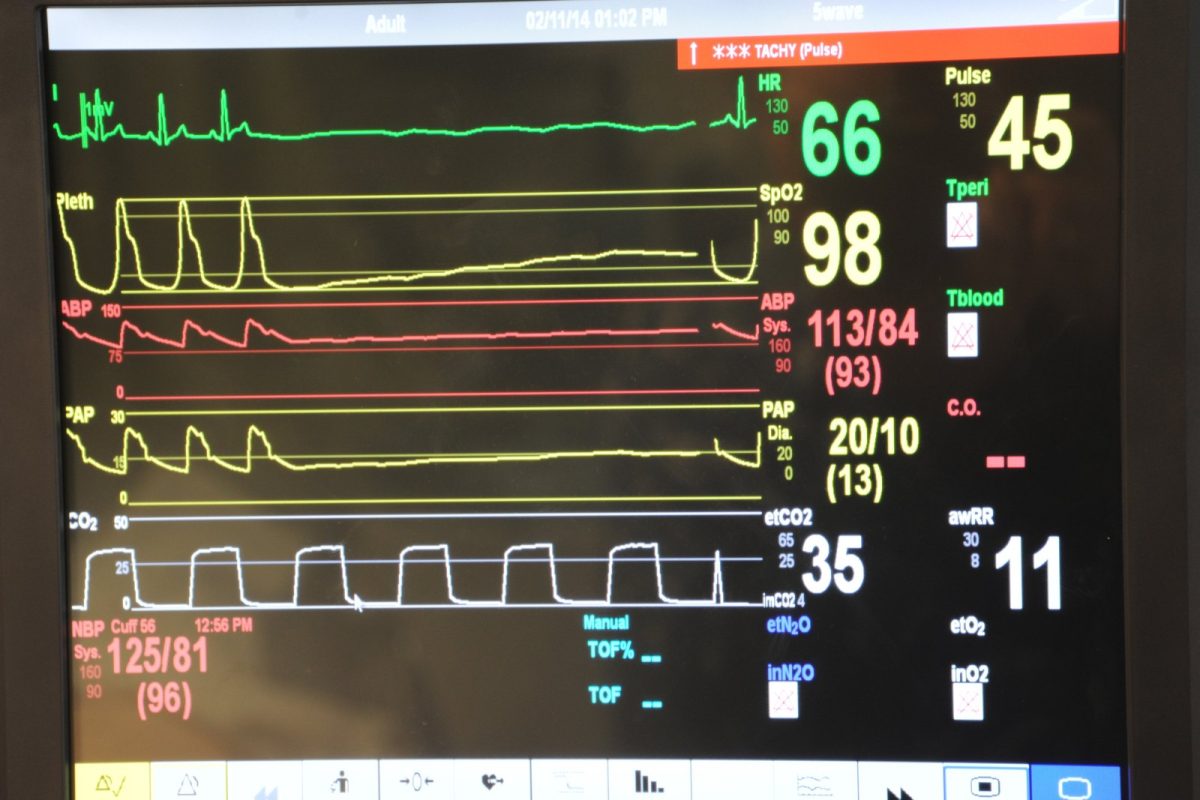
- The report describes continuous monitoring and hourly QTc readings; marked prolongation occurred despite electrolyte prophylaxis.
A team of researchers from Germany and Canada has published follow-up of an individual with severe ketamine dependence who received ibogaine. The case, published on July 20 in Frontiers in Psychiatry, describes a 30-year-old man who had been consuming up to 15 grams of intranasal ketamine weekly, alongside cocaine and alcohol. Seventeen months after his treatment, he remained abstinent from all these substances, according to self-report, clinical observation and serial tests, rather than continuous toxicological verification.
Cardiac monitoring and QTc prolongation
The patient first underwent a week of psychiatric stabilization in Germany before traveling to Mexico for a 13-day residential program. There, he received a high dose of 800 mg of ibogaine, followed by two smaller booster doses, all under continuous electrocardiogram (ECG), pulse oximetry, and blood pressure monitoring every half hour. It is in this area that the report provides its most valuable detail: the QTc interval—which measures the time the heart takes to recover between beats and whose prolongation is the best-documented risk of this substance—went from 395 milliseconds before the dose to a peak of 541 about four hours later. It fell to 469 ms at hour seven, below 500 but above baseline. The article describes spontaneous resolution during prophylactic intravenous magnesium and potassium; it does not establish that those electrolytes caused the decline or that this value is safe. There were no arrhythmias, syncope, or instability, and post-discharge ECGs showed a rhythm within normal limits.
From cessation of cravings to mood improvement
According to the article, the patient reported the complete disappearance of the desire to consume all substances between the third and fifth day post-treatment, a state that remained stable during subsequent check-ups. Appreciable improvements in depressive and anxiety symptoms, measured with standardized scales, were also recorded, as well as in perceived quality of life. Nearly a year later, following a period of bereavement, the clinical team administered three additional lower-dose sessions, with transient QTc prolongation below 500 ms and no reported arrhythmias. This additional exposure complicates attributing follow-up solely to the first intervention. The authors point to noribogaine, the active metabolite of ibogaine, as a possible factor in the effect on cravings and mood, although they explicitly present this as a hypothesis rather than a proven mechanism.
What this implies
This is a unique case without a comparison group, so it does not allow for attributing the improvement solely to ibogaine: integration therapy, nutritional support, and the patient’s own life context could have played a role. Its value lies elsewhere: in the level of objective documentation—rare in this field—and in the minute-by-minute cardiac record, which is exactly the information needed by anyone wishing to evaluate this path with sound judgment. The authors also highlight an underlying tension: the patient had to step outside his country’s healthcare system to access a treatment he could not receive there under authorized supervision. Far from judging that decision, the report documents it and calls for clear medical follow-up guidelines for those who travel abroad for treatment. It is a debate that intersects with other recent news, such as the FDA authorization to test an ibogaine derivative in humans: while the regulated path advances slowly, those who decide not to wait currently do so in contexts with varying degrees of medical surveillance, without this case establishing whether surveillance outweighs the substance’s intrinsic risks. One person’s course does not establish a safe protocol or a recommendation for use.
Source
- Pérez Rosal, S. R., Faber, S. C., Backmund, M. et al. Sustained abstinence in severe ketamine use disorder following ibogaine treatment case report. Frontiers in Psychiatry, July 20, 2026.
Educational content written from a harm reduction perspective and with respect for individual freedom. It is not a substitute for advice from a healthcare professional and is not intended to encourage or condemn any drug use.

