

In brief
- A Northeastern University team studied 24 awake rats of both sexes, assigned to mescaline or control vehicle, using functional MRI without anesthesia.
- The cerebellum, the region that filters sensory input, shows lower BOLD signal and greater functional connectivity with the hippocampus, thalamus, sensory cortex, and midbrain.
- Before mescaline, the cerebellum barely communicated with the hippocampus; afterward, it was linked to seven of its nine subregions.
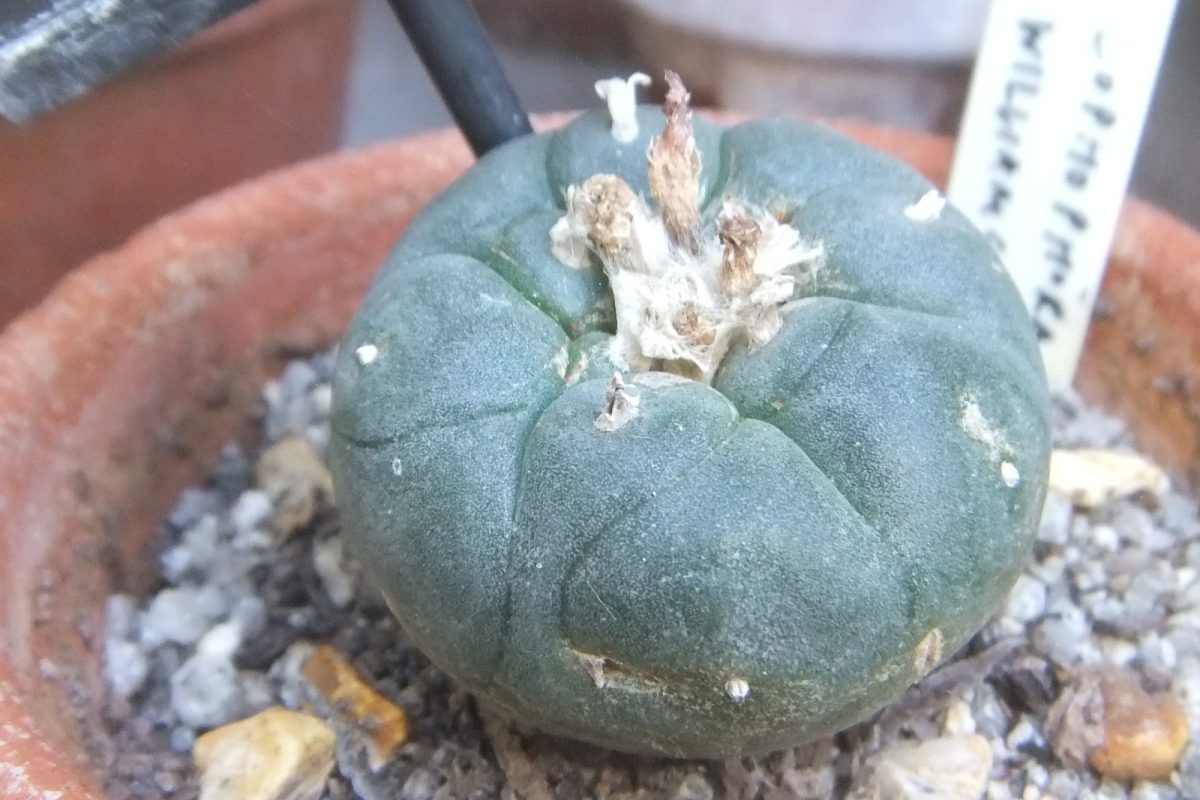
Mescaline is the least mapped of the classic psychedelics. While there are dozens of neuroimaging studies on LSD and psilocybin, there are almost none on the alkaloid found in peyote and San Pedro. A study published in Neuroscience Bulletin by Noah Cavallaro and Craig Ferris of the Center for Translational Neuroimaging at Northeastern University (Boston) provides the first complete functional map. And what it reveals does not entirely fit the known script.
A sensory filter that turns off and fires up simultaneously
The centerpiece is the cerebellum. Classical neuroscience primarily associates it with movement, but it also acts as a gatekeeper for sensory information: it decides which stimuli deserve attention. After mescaline, its BOLD signal decreased; this is an indirect measure rather than a direct neuronal recording. However, resting-state connectivity analysis showed the opposite at another level: its deep nuclei spiked in the number of connections with the rest of the brain. The most striking was with the hippocampus, which is linked to memory; it went from almost non-existent communication to linking with seven of its nine subregions. The authors describe this combination as paradoxical.
Smells and sounds also change
The team supplemented the images with odor exposure and a prepulse inhibition test. An almond scent that normally lights up reward zones stopped triggering a response under mescaline. And in a prepulse inhibition test (the ability to dampen a loud sound if a softer one precedes it), a frequency-dependent pattern emerged: the substance reinforced filtering in low and high tones, while weakening it in intermediate frequencies. It is not a general blackout of the sensory filter, but a selective reorganization.
What this implies
This is an animal study, and the authors do not present it as anything else: it is a first map, not a closed explanation of the human experience with mescaline. Extrapolating from 24 rats to a peyote ceremony would be getting far ahead of the data. That said, it provides something that was missing. For years, it has been assumed that classic psychedelics share the same cortical pathway, and this work suggests that mescaline relies on the cerebellum in a way that has not been described for LSD or psilocybin. For those who use peyote or San Pedro, in traditional or personal contexts, the value lies in knowledge: it generates hypotheses about sensory processing without establishing what causes differences in human experiences or determining comparative risk. Cavallaro himself proposes the next step as a comparative one: cross-referencing these maps with those of LSD and psilocybin to see which part of the experience depends on each pathway.
Source
- Cavallaro N, Ferris CF, et al. Mescaline Alters Cerebellar Function, Global Connectivity, and Frequency-Selective Acoustic Gating: A BOLD fMRI Study in Awake Rats. Neuroscience Bulletin, 2026. Educational summary in Northeastern Global News, July 20, 2026.
Educational content written from a harm reduction perspective and with respect for individual freedom. It is not a substitute for advice from a healthcare professional and is not intended to encourage or condemn any drug use.

