

In brief
- In April, Benuvia Operations requested a DEA license to manufacture bulk quantities of mescaline, LSD, ibogaine, MDMA, psilocybin, and a dozen other Schedule I substances for internal research and formulation development.
- On July 16, the Diné (Navajo) Nation, through the Teesto Chapter, sent a letter urging the agency to deny the mescaline portion of the request, noting that the DEA failed to consult the tribe or the Native American Church—a mandatory procedure.
- The argument is not merely procedural: they contend that large-scale industrial production of synthetic mescaline threatens the legal protections afforded to the peyote used in their ceremonies.
Since May, the U.S. Drug Enforcement Administration (DEA) has been processing an application from a Texas pharmaceutical company to become a bulk manufacturer of mescaline, LSD, ibogaine, and a dozen other Schedule I psychoactive substances. A Navajo community has formally requested that the permit be denied for mescaline, alleging that Washington bypassed a legal requirement that protects the ceremonial use of peyote.
A list covering almost the entire psychedelic catalog
On April 22, 2026, Round Rock, Texas-based Benuvia Operations applied to register as a bulk manufacturer of sixteen controlled substances. The list, published by the DEA in the Federal Register on May 18 under docket number DEA-1714, includes ibogaine, LSD, marijuana extract, THC, mescaline, MDA, MDMA, 5-MeO-DMT, DMT, psilocybin, psilocin, and 5-MeO-DIPT (Schedule I), plus amphetamine, lisdexamfetamine, cocaine, ecgonine, and remifentanil (Schedule II). According to the official notice, the company would manufacture these substances for internal research and formulation development, not for direct sale. Benuvia already holds licenses to produce other active psychedelic ingredients for third parties, so this registration would significantly expand its catalog.
The Navajo objection: lack of consultation, excess risk
The deadline to submit objections was July 17. One day earlier, Hershel W. Clark, president of the Teesto Chapter of the Azee’ Bee Nahagha’ of Diné Nation (Navajo Nation), sent a letter to the agency requesting the rejection of the mescaline portion specifically. “We are deeply concerned about the expansion of commercial manufacturing of mescaline by synthetic and pharmaceutical companies,” Clark wrote, adding that the move “not only raises questions about the future of peyote, but poses a direct threat to the health and violates the federal protection of peyote for recognized tribes.” The legal argument relies on the 1994 amendments to the American Indian Religious Freedom Act, which safeguard the ceremonial use of peyote by the Native American Church. Clark asserts that the DEA processed the application without the required government-to-government consultation with the Navajo Nation, the National Congress of American Indians, or the Native American Church—a step mandated by regulation before decisions of this impact.
What this implies
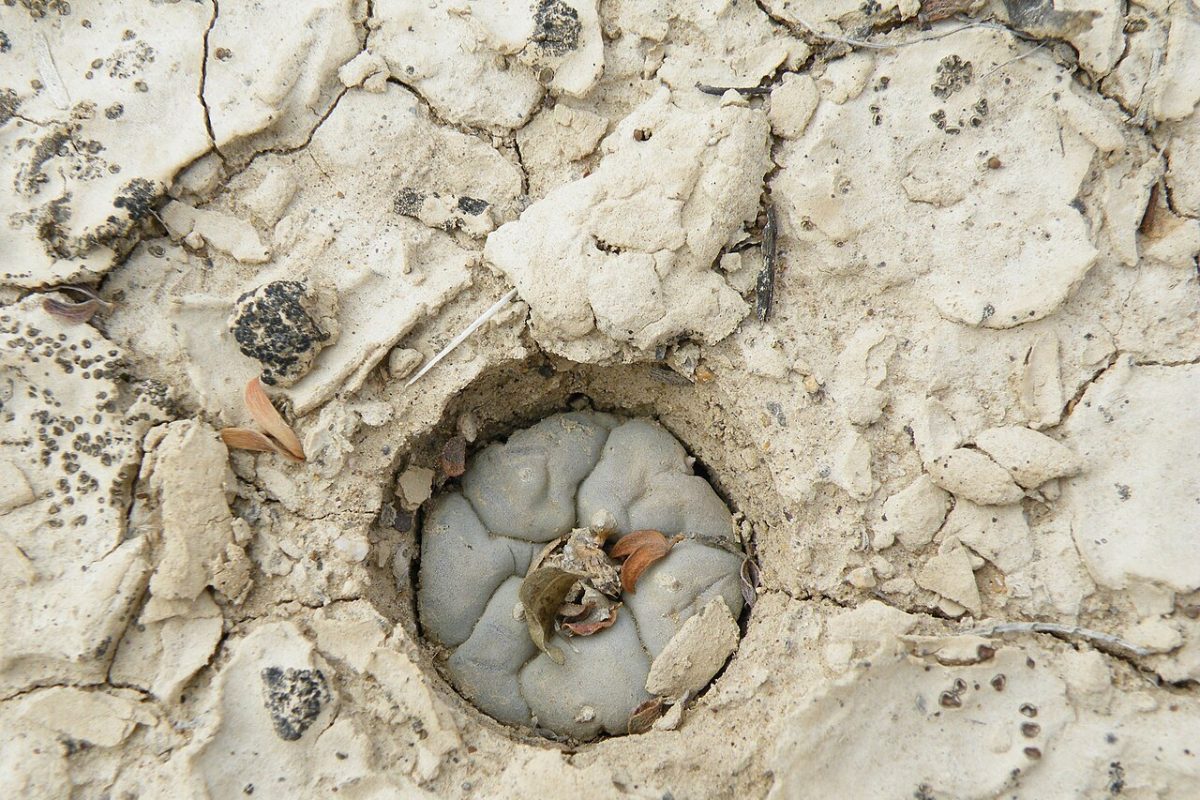
The dispute does not challenge the right to research or manufacture mescaline, but rather who decides and how the impact on communities that depend on a plant already limited by overharvesting and habitat loss is weighed. We have previously reported that mescaline is once again of interest to laboratories after decades on the sidelines. Synthetic mescaline does not compete directly with wild peyote, but a pharmaceutical industry growing around the molecule could shift the political weight that currently protects the plant and those who use it. The DEA has not yet resolved docket DEA-1714; in the meantime, the Navajo letter makes it clear that expanding industrial production of psychoactive substances is not just a pharmaceutical formality—it is also a question of who is consulted before decisions are made.
Source
- Drug Enforcement Administration. Bulk Manufacturer of Controlled Substances Application: Benuvia Operations, LLC (Docket No. DEA-1714). Federal Register, vol. 91, no. 95, May 18, 2026.
- Psychedelic Policy Briefing: Week of July 20th, 2026 (includes the Teesto Chapter letter and quotes from Hershel W. Clark). Psychedelics Today, July 20, 2026.
Educational content written from a harm reduction perspective and with respect for individual freedom. It is not a substitute for advice from a healthcare professional and is not intended to encourage or condemn any drug use.


