

In brief
- An open-label phase 2 trial registered in August focuses exclusively on young adults aged 18 to 26 whose post-traumatic stress originates from childhood trauma.
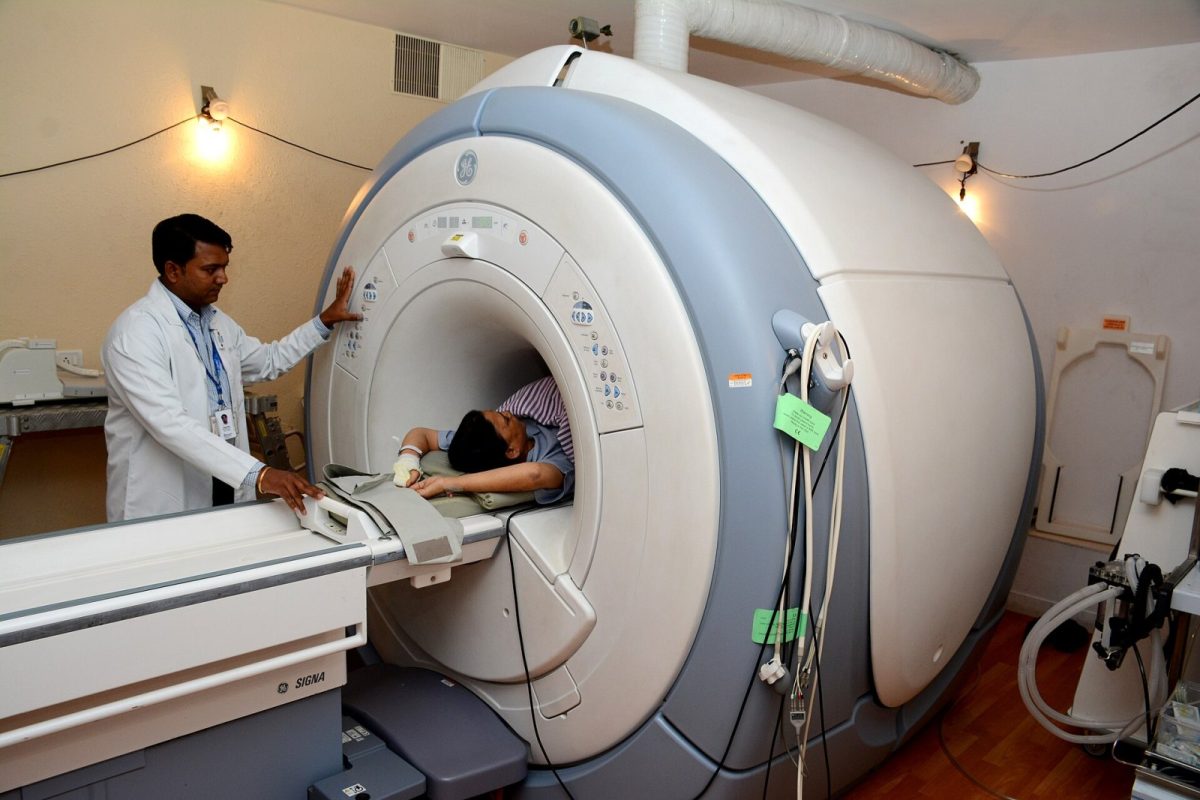
- The study will include 15 participants without a placebo or blinding: up to three sessions with 120 mg of MDMA accompanied by psychotherapy, plus functional MRI scans at the start and at 18 weeks.
- Primary outcomes include safety and CAPS-5. The registry lists recruitment as not started and estimated primary completion in January 2028, without guaranteeing result timing.
This registry focuses on young adults with childhood-trauma histories, a specific population within MDMA research for PTSD. A new study registered on ClinicalTrials.gov on August 14 proposes something different.
A profile often left behind
The trial is sponsored by Jenna M. Traynor, a researcher at McLean Hospital, the Harvard-affiliated psychiatric center in Belmont, Massachusetts. It is aimed exclusively at individuals between 18 and 26 years old whose PTSD has its roots in childhood.
This distinction is not arbitrary. Prolonged childhood trauma leaves a mark that scales designed for single-event trauma often fail to capture: it affects emotional regulation, the sense of identity, and the way one relates to others, rather than just a specific recurring memory. The fact that a trial is being built around this profile, rather than treating it as a subgroup within a larger sample, is what makes the registration interesting.
How it is designed
The record (NCT07765693) describes a single group, without randomization or masking, with 15 planned participants. The protocol includes up to three preparatory psychotherapy sessions, up to three administration sessions with 120 mg of MDMA, and three integration sessions following each dose.
There are two primary objectives: the recording of adverse events, including serious ones and those of special interest, and the score on the CAPS-5 scale from baseline to 18 weeks. Secondary objectives include the Inventory of Altered Self-Capacities—the very instrument that measures the identity and affective regulation issues characteristic of early trauma—alongside scales for cognitive flexibility and self-compassion. There will also be functional MRI scans at the start and at 18 weeks to observe changes in brain connectivity, with follow-up evaluations through week 38. The study is scheduled to begin on October 31, 2026, with primary completion expected in late January 2028.
What it implies
It is important to read this for what it is. Fifteen people, with no comparison group and no blinding, are the conditions of a pilot study: it serves to verify that the procedure can be administered safely in this population, not to prove that it works. Any improvement observed will be impossible to separate from expectation, therapeutic support, or the simple passage of time. A registration also does not guarantee that the trial will be completed.
That said, it points toward where research with empathogens is moving following the regulatory hurdles we have followed in the return of MDMA to the FDA: fewer generalist trials and more attention to specific profiles. Recognizing that not all trauma responds to the same tool in the same way is, fundamentally, a way of respecting those who experience it.
Source
- Traynor JM (McLean Hospital). MDMA-Assisted Psychotherapy for Posttraumatic Stress Disorder in Young Adults With Childhood Trauma: An Open-Label Pilot Study (NCT07765693). ClinicalTrials.gov, record published August 14, 2026.
Educational content written from a harm reduction perspective and with respect for individual freedom. It is not a substitute for advice from a healthcare professional and is not intended to encourage or condemn any drug use.

