

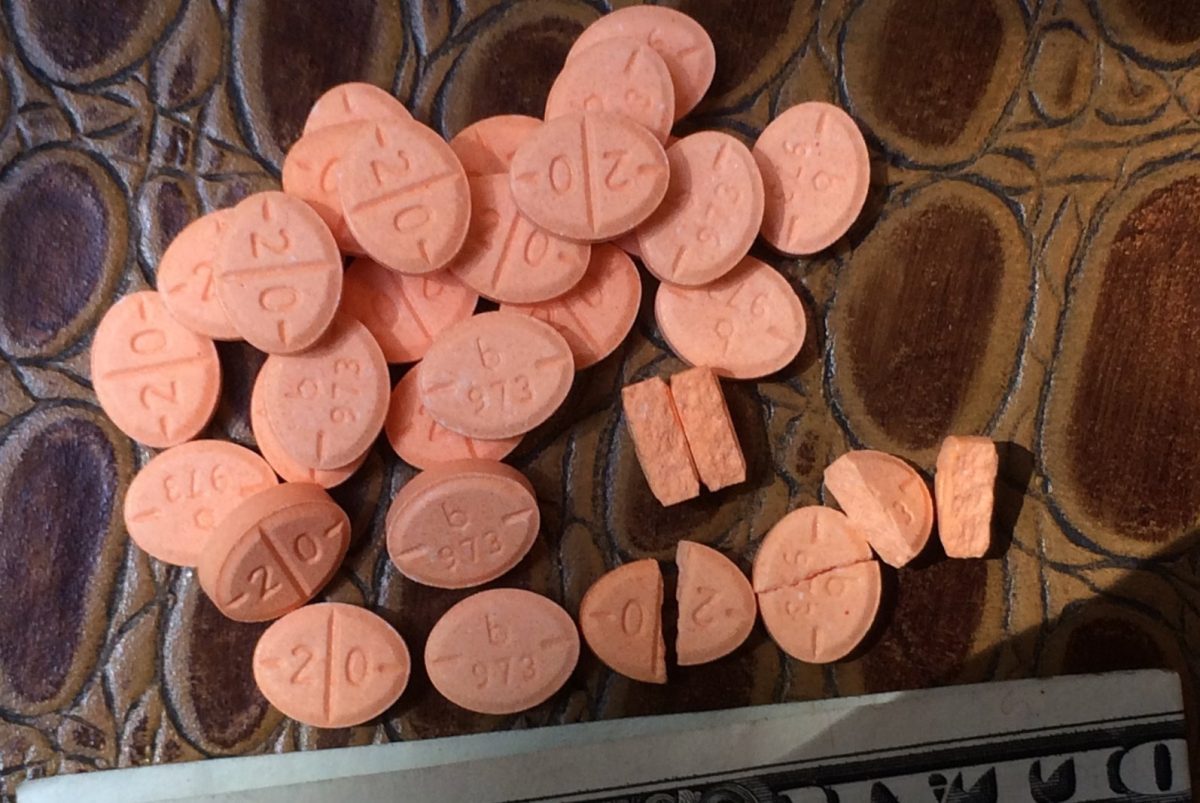
A drug that arrived before its bad reputation
It is worth remembering, because today the word “amphetamine” almost always evokes the dead end of problematic use: these substances entered the world through the pharmacy door, not the black market. Synthetic derivatives of ephedrine, they appeared in the United States around 1930 with a use as prosaic as reviving over-sedated patients. Shortly after, they were sold in inhalers for nasal congestion, then as pills for motion sickness and obesity, and finally as antidepressants.
The family grew quickly. After amphetamine itself—marketed under names like Benzedrine, Sympatina, Profamina, or Centramina—came its isomer, dexamphetamine (Dexedrine), and in 1938, methamphetamine (Methedrine). This chronology matters: for decades, they were common commercial products, prescribed with a casualness that would be unthinkable today, and that normalization is an inseparable part of their history.
What they do in the brain
Their mechanism is similar to that of cocaine, with one relevant difference. Where cocaine blocks the reuptake of neurotransmitters—primarily dopamine and norepinephrine—amphetamines appear to force their release. The action is concentrated in the limbic system and the hypothalamus, regions involved in motivation, reward, and the regulation of appetite and wakefulness. The subjective result is a stimulating euphoria that lasts significantly longer than that of cocaine.
The most characteristic, and dangerous, pharmacological trait is tolerance. It is exceptionally high: desensitization begins to be noticeable after just a few days of continuous use, which pushes the user to increase the dose to maintain the effect. That is where the molecule’s structural trap lies. Although tolerance shifts the threshold of the lethal dose upward, physical deterioration does not stop with it; it advances on its own. Classic literature recorded autopsies of young consumers with visceral wear—heart, liver, kidneys—comparable to that of much older people. The margin between an active dose and a toxic dose was, from the beginning, narrow.
What they promised and what they left behind
Part of the historical appeal of amphetamines lay in their effect on performance. Old psychometric tests described temporary improvements in attention and concentration with low doses, which fueled their use as “study pills” or to sustain prolonged physical exertion. But that improvement is narrow and borrowed: it affects specific tasks and is paid for later. As classic literature on the subject ironically summarized, no drug has ever turned a fool into a prudent person.
The best-supported medical case is paradoxical: in the treatment of children with hyperactivity, the stimulant does not excite, but rather helps to calm and focus. This is where derivatives still in therapeutic use today originate. It is one of the few areas where the risk-benefit balance is discussed with data, and precisely for that reason, it should not be extrapolated: the fact that a supervised pediatric indication works says nothing about the safety of recreational use or high doses.
At the opposite extreme is chronic use. Repeated in medium or high doses, it reproduces the damage of cocaine but aggravated: paranoia and persecutory delusions appear sooner and, frequently, become persistent—the so-called amphetamine psychosis. They do not produce a physical withdrawal syndrome like that of sedatives, but rather an emotional collapse proportional to the abuse: a depression that in its worst phases can last for days. That psychic “hangover,” rather than a classic withdrawal, is the engine behind a good portion of relapses.
When medicine was part of the problem
The history of these substances includes uncomfortable episodes led by institutional medicine itself. Around the 1950s, “amphetamine shock”—high injected doses—was tested to treat alcoholism, other dependencies, depression, or hysteria; besides being ineffective, it left irreversible neurological sequelae in an alarming proportion of cases. For decades, combinations of amphetamine and barbiturates were also popularized to diagnose and treat a catch-all category called “functional disorders,” a mixture more toxic than the sum of its parts.
The third front, the most persistent, is obesity. Under the label of “legitimate therapeutic use,” methamphetamine, phenmetrazine, and later a long list of synthetic anorectics followed. The pattern repeats with uncomfortable regularity: each variant promised to maintain the slimming effect while reducing the problematic one, each ended up being questioned, and in the interval, it was sold. The underlying conflict is not just pharmacological: a substance taken against a daily need—hunger—requires daily administration, exactly what rapid tolerance turns into an escalation.
Critical reading
The story of amphetamines is, above all, a lesson on how the legitimacy of a drug is manufactured. They did not arrive as a threat: they arrived as a solution, backed by doctors, brands, and package inserts, and their real profile—vertiginous tolerance, cumulative organic damage, psychotic risk—took decades to overcome the commercial discourse surrounding them. Much of what we take for granted today was learned late and at the expense of those who consumed them while trusting in their respectability.
That is why this review is historical and pharmacological, not a user guide. You will not find doses, regimens, or practical recommendations here: the distance between an active dose and a dangerous dose is short, tolerance distorts the perception of one’s own risk, and interactions—especially with other stimulants or depressants—can be serious. If the use of a stimulant has become a problem, talking to a healthcare professional or a harm reduction service is not a failure, but the sensible option. A good part of the framework of this article comes from the educational work of Antonio Escohotado on the history of drugs, a useful source precisely because it mixes historical data with personal judgments that should be read with a critical spirit.