

Two sides of the same molecule
Few substances carry as many myths as crack. It has been called “the dealer’s dream and the user’s nightmare,” and that phrase, while dramatic, well summarizes the gap between what it promises and what it costs. But before discussing its reputation, it is important to understand something fundamental that almost no one explains: crack is not a different drug from cocaine. It is the same molecule presented in a different form.
Cocaine can exist in two chemical states. As a salt—hydrochloride—it is water-soluble, which allows it to be snorted or dissolved, but it degrades under intense heat, meaning smoking it is ineffective: the active ingredient is lost before reaching the lungs. As a freebase, however, it does not dissolve in water (rendering it useless for nasal or intravenous administration), but it resists heat better and can therefore be smoked. Two presentations, one single substance.
From the bush to the line: where each form comes from
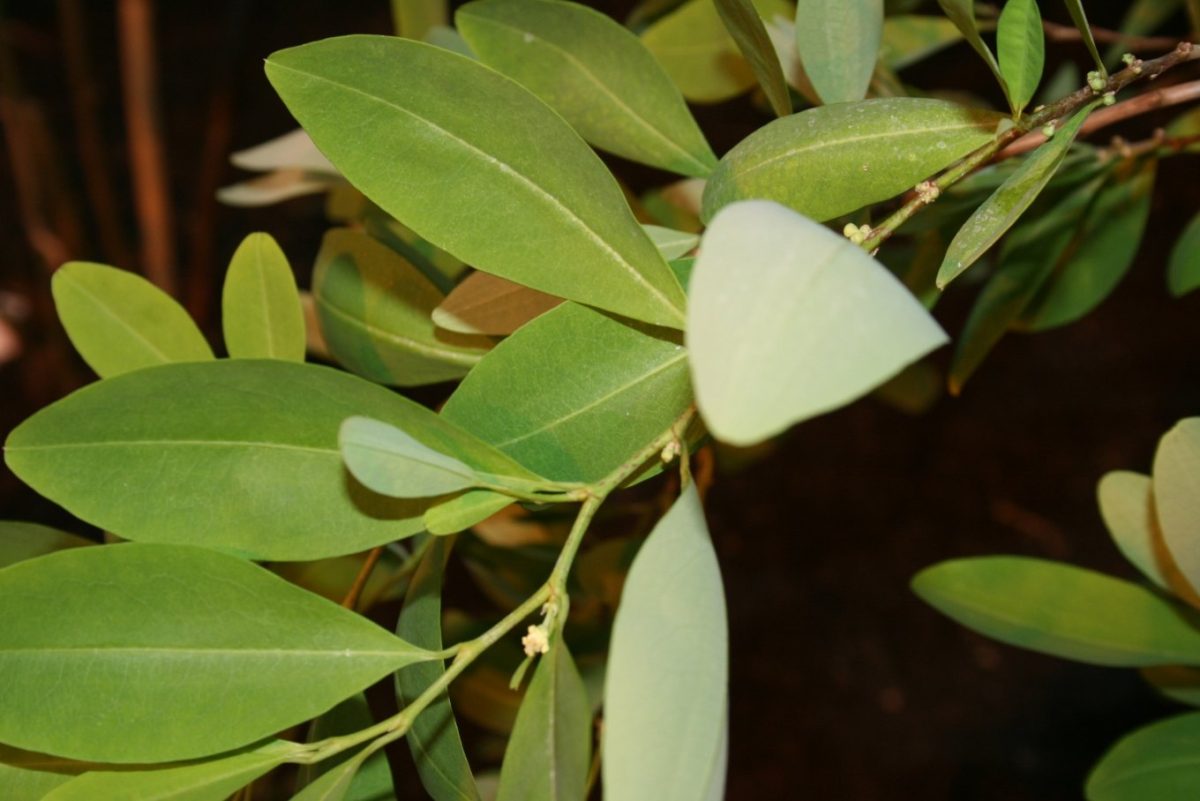
The most widespread form in Europe is hydrochloride, those “lines” that are inhaled. It is manufactured by treating so-called base paste with hydrochloric acid, an intermediate product that appears in the early stages of extraction from Erythroxylon coca leaves. That base paste is, by definition, cocaine in base form and therefore smokable, but it usually carries many impurities and circulates primarily in producing countries, where it is indeed consumed by smoking.
Outside of that region, the base rarely arrives as such: what is distributed is the hydrochloride. Hence, to obtain a smokable form, the process that originally turned the paste into salt is reversed—what is known in slang as “going backward.” We will not describe any procedure here: what is relevant is understanding that the crack circulating in our environment almost never comes “from the factory,” but is instead reconverted hydrochloride.
Freebase, crack, and a labeling debate
Historically, two methods of reconversion are distinguished. The oldest, freebasing, used highly flammable solvents and fell into disuse precisely because of its danger. The later method, known as cheap basing, dispenses with them and uses much more accessible substances. A terminological debate that remains unresolved has been built on this: some reserve the word freebase for the more refined product and call the more homemade version crack, while others draw the line differently. Beyond the naming discussion, the substance is always the same: cocaine in base form, ready to smoke.
There is a real nuance in purity depending on the method. The base obtained with solvents was the cleanest (and the most dangerous to produce); behind it are the variants prepared with common household products. Paradoxically, the least pure is sometimes attributed with greater “safety,” based on the idea that certain reagents could damage the lungs. It is worth stating clearly: this supposed hierarchy of safety is not proven. It is more of a street argument than a conclusion backed by solid evidence.
A myth worth debunking
The idea circulates that crack is the “waste” of cocaine, a dirty and more adulterated version. Chemically, it is exactly the opposite: when moving from salt to base, a good portion of the adulterants are eliminated, so—barring errors in the process—the resulting base is usually purer than the hydrochloride it started from, albeit at the cost of losing weight. The severity of crack, therefore, does not lie in it being a “lower quality” drug, but in how it enters the body and what that triggers.
Why the effects change so much
The decisive difference is not chemical, but pharmacokinetic: the speed at which cocaine reaches the brain matters. When smoked, the base reaches the nervous system in seconds; the effect appears almost immediately, hits with much greater intensity, lasts a very short time, and usually leaves a sharper comedown. That abrupt curve—a fleeting high followed by a crash—is what gives the experience a more “physiological” character and is associated with compulsive consumption patterns, where the goal is to chase a peak that fades away instantly.
Snorted hydrochloride draws a different curve: it rises more slowly, hits less hard, and lasts longer. That is why its consumption tends to be structured around other activities—conversing, dancing, sex—which are experienced as enhanced. Base, on the other hand, is usually consumed for the effect itself, without anything else involved. Same molecule, two very different relationships with the user.
Critical reading and harm reduction
It is advisable to read the above with caution. The claim that one variant is “safer” than another lacks serious support: any form of smoked cocaine shares the underlying problem—a very rapid onset and very intense reinforcement—which is precisely what is most associated with problematic use and dependence. Added to this are the damages inherent to the smoking route (respiratory effects) and the cardiovascular risks common to all cocaine.
From a harm reduction perspective, the supported messages are simple and do not depend on the “quality” of the product: the cardiac risk is real and unpredictable even in young, healthy people; mixing with alcohol creates cocaethylene, a metabolite that increases toxicity; combining with other stimulants or depressants multiplies the danger; and rapid, repeated consumption patterns are the ones that escalate most easily. If signs of loss of control appear, addiction services and harm reduction programs are the appropriate resource. Educational content written from a harm reduction perspective and with respect for individual freedom. It is not a substitute for advice from a healthcare professional and is not intended to encourage or condemn any drug use.
This is the first installment. In a second part, we will address the historical, social, and legal context that turned base into a symbol of moral panic.


