

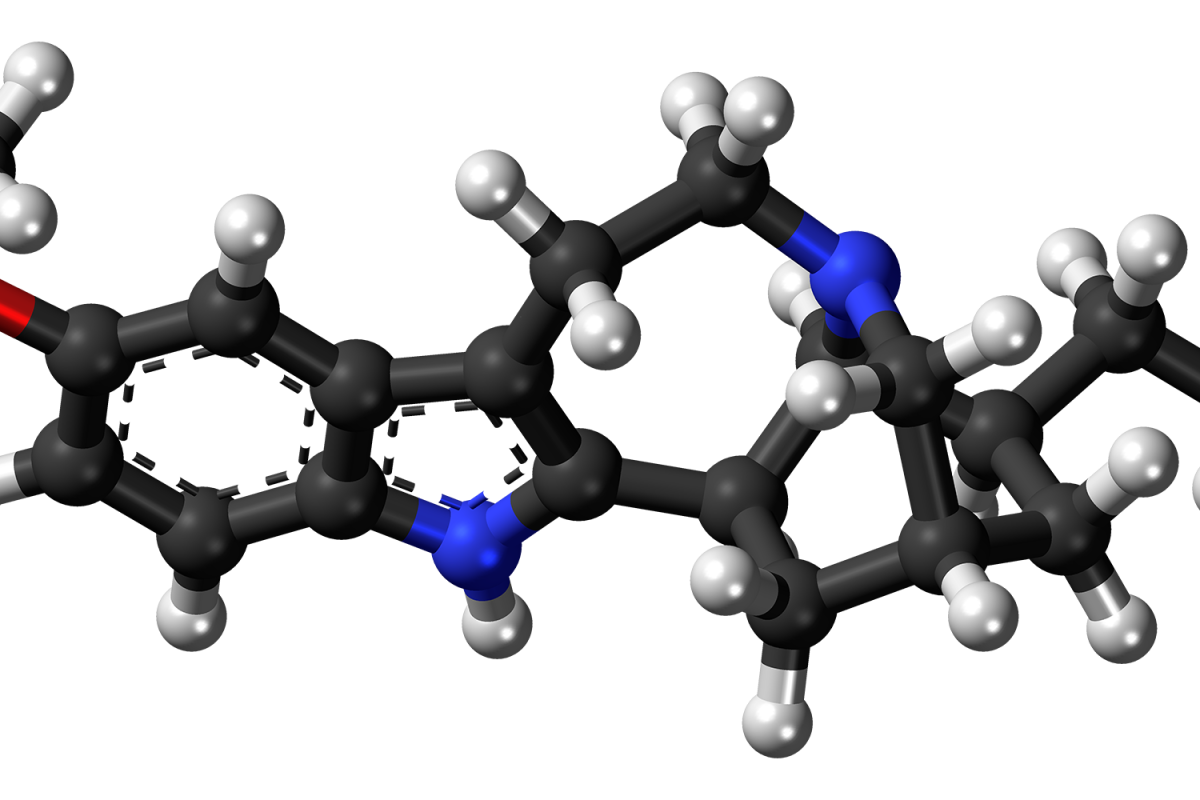
In brief
- Ibogaine is an alkaloid derived from the iboga root (Tabernanthe iboga), a sacred plant used by the Bwiti of Gabon, whose anti-addictive properties have been described since the 1960s.
- It is not approved by the FDA, EMA, or AEMPS; legal access varies significantly by country, and clinics operate under vastly different frameworks, ranging from regulatory gray areas (Mexico, Costa Rica) to clinical supervision (Brazil, New Zealand).
- It interacts with the heart (QT prolongation and arrhythmias), a critical factor when considering the setting and making informed decisions; clinical evidence remains preliminary.
Ibogaine has sparked considerable interest for its potential in addressing addiction and trauma, yet its legal status remains a complex mosaic. We take a calm look at where it can be administered, how clinics operate, and what we know so far, without exaggeration in either direction.
From African Ritual to Therapeutic Promise
Ibogaine is the primary alkaloid found in the root bark of iboga (Tabernanthe iboga), a Central African shrub. For centuries, it has served as the sacrament of the Bwiti, a spiritual tradition of Gabon recognized by UNESCO as Intangible Cultural Heritage in 2022. French pharmacologists isolated it in 1901, and in the 1960s, American Howard Lotsof described how a single dose appeared to interrupt opioid withdrawal syndrome. That serendipitous discovery opened a line of research that, six decades later, continues to build bridges between medicine, tradition, and personal exploration.
A Fragmented Legal Map
There is no single global status, and understanding this is part of making an informed decision. In the United States, ibogaine has been a Schedule I substance since 1970 and lacks FDA approval; however, in 2025, Texas passed a law allocating $50 million for regulated clinical trials led by the University of Texas (UTMB and UTHealth Houston). In Europe, neither the EMA nor the AEMPS has authorized it as a medication, and the formally recognized path is clinical research. Outside that framework, several countries permit its administration: Mexico does not regulate it, making it a major destination with clinics concentrated in Baja California; Brazil allows centers under ANVISA supervision; New Zealand classifies it as a prescription medication; and places like Costa Rica operate without specific regulation. This range explains much of the disparity in safety guarantees between different centers.
Clinics and Scientific Evidence
Many clinics are located precisely where the law is permissive or ambiguous, and these environments have provided data that fuels scientific interest. The most cited case is an observational study published in Nature Medicine in January 2024 by Nolan Williams’ team (Stanford University): 30 special forces veterans with traumatic brain injuries received ibogaine along with magnesium—to protect the heart—at a clinic in Mexico. One month later, the authors reported average reductions of 88% in PTSD symptoms, 87% in depression, and 81% in anxiety, with no serious cardiac adverse effects. These are striking figures, but they should be read with honesty: it is a small, non-randomized study without a control group. In Spain, ICEERS and the Hospital Universitari Sant Joan de Reus are conducting a phase II trial with low-dose ibogaine to support patients wishing to taper off methadone, using careful cardiac monitoring; preliminary results point to a reduction in opioid tolerance.
Harm Reduction
Ibogaine is a potent substance, and the setting makes all the difference. Its most significant interaction is cardiac: it blocks the hERG channel and can prolong the QT interval, which facilitates arrhythmias such as torsade de pointes. Its metabolite, noribogaine, remains in the body for one to two days, meaning this effect extends beyond the session, which should be kept in mind during the following hours. A reference review compiled dozens of associated deaths between 1990 and 2008, mostly in unsupervised settings, involving pre-existing cardiovascular disease, simultaneous use of opioids or benzodiazepines, and a lack of cardiac screening. Therefore, those considering its use should address several fronts: a prior medical evaluation with an electrocardiogram, ruling out cardiac pathology, reviewing other medications that lengthen the QT interval, avoiding combinations with opioids or benzodiazepines, and choosing a setting with medical presence and resuscitation equipment. The substance is controlled in much of the world, and evidence remains experimental; in Spain, participating in authorized research is the safest option for those wishing to explore it.
Sources
- Cherian, K. N., Williams, N. R. et al. Magnesium–ibogaine therapy in veterans with traumatic brain injuries. Nature Medicine, January 2024.
- Ibogaine: Therapeutic Potential, Cardiac Safety, and Translational Perspectives in the Treatment of Substance Use Disorders — A Scoping Review. Molecules (MDPI), 2026.
- ICEERS. Clinical trial with ibogaine for opioid dependence (Hospital Sant Joan de Reus). ICEERS, 2020–2025.
Educational content written from a harm reduction perspective and with respect for individual freedom. It is not a substitute for advice from a healthcare professional and is not intended to encourage or condemn any drug use.