

A Museum That Challenges Modern Assumptions About Hemp
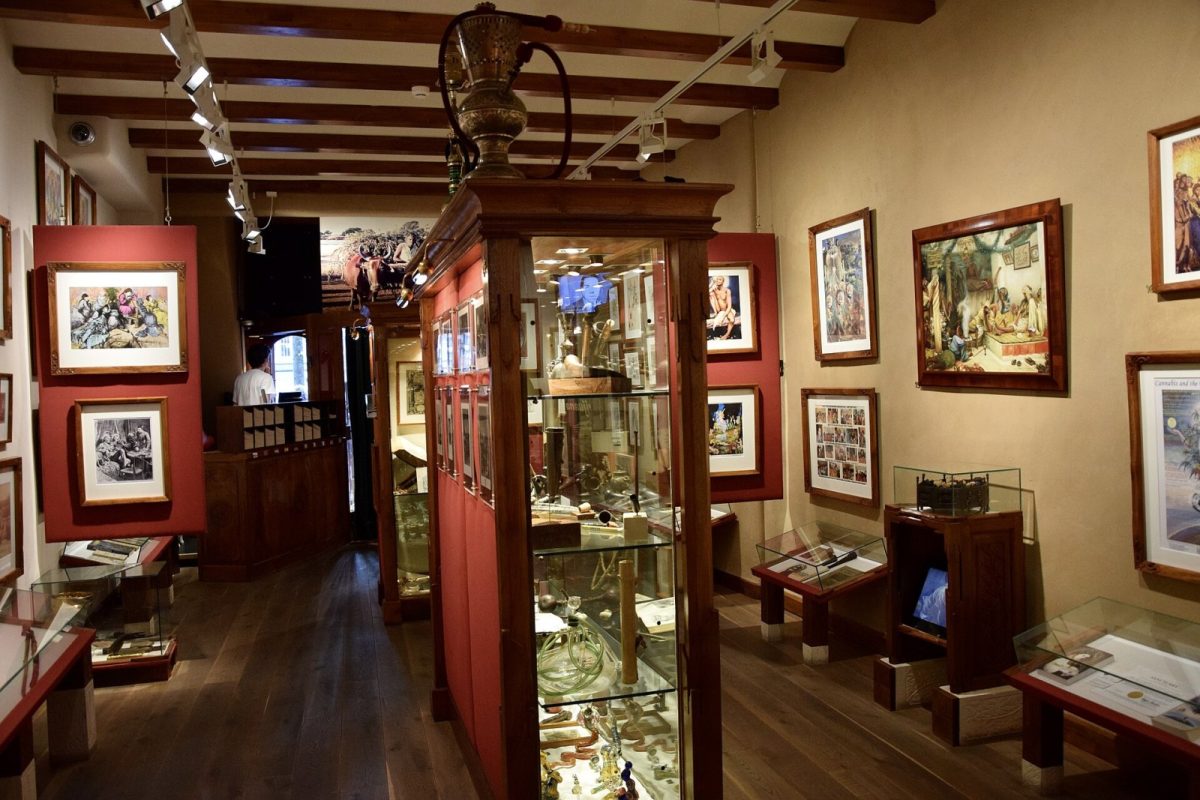
Certain cities conceal extraordinary treasures in plain sight. In Amsterdam, along quiet canals and bustling storefronts, a specialized institution has welcomed visitors for over two decades: the Hash Marihuana & Hemp Museum. Far from a superficial tourist attraction, it represents a dedicated effort to document the extensive material culture and economic history of cannabis through surviving artifacts.
We had the opportunity to explore the collection guided by its founder, Ben Dronkers, widely known for establishing the Sensi Seeds seed bank. Dronkers has spent more than thirty-five years curating historical artifacts that fill its galleries, conveying the unyielding conviction of someone who made the plant his life’s work. The collection continues to expand with archival acquisitions.
When Hemp Served as Essential Maritime Infrastructure
The historical narrative presented in the museum begins long before modern countercultural movements. For centuries, industrial hemp represented an indispensable strategic commodity. Sturdy hemp fibers produced ship rigging, canvas sails, maritime ropes, and commercial fishing nets; hemp textiles clothed populations and equipped merchant fleets that anchored global trade and naval power. Dronkers’s summary—that maritime dominance historically depended on access to hemp fiber—simplifies geopolitical history, yet highlights an authentic reality: European navies required vast tonnages of durable plant fiber, prizing hemp for its resistance to saltwater rot.
The museum highlights this historical reality through the material tools of everyday labor rather than aristocratic chronicles. On display are seventeenth-century agricultural implements for retting and scutching stalks, commercial fishing nets utilizing the fiber’s lightweight resilience, and historical oakum used for caulking wooden hulls—driving hemp tow into seams to ensure waterproof insulation.
Apothecary Jars, Classical Painting, and Everyday Life
Among the most compelling exhibits are seventeenth-century ceramic apothecary jars that once held medicinal cannabis tinctures and extracts. These artifacts must be viewed with historical nuance: while cannabis formed an established component of European pharmacopeias prior to twentieth-century prohibition, historical preparations differed substantially from modern clinical standards. Nevertheless, these exhibits refute the notion that medical cannabis is merely a recent invention.
The fine art wing warrants close examination. It features oil paintings executed on coarse hemp canvas alongside historic works depicting the plant in daily life: harvesting scenes, rural transport, processing workshops, and tavern portraits of peasants enjoying botanical intoxication. Dronkers highlights Flemish master Adriaen Brouwer—renowned for seventeenth-century tavern scenes depicting intoxicated peasants—as a focal painter within the museum’s artistic archives.
Antique pipes, botanical specimens showing raw hurd, bast fibers, and woven twines lead into contemporary industrial applications: biocomposite plastics, automotive door panels, insulation batts, sustainable hempcrete masonry, animal bedding, seed oils, and archival literature. The underlying exhibition thesis is unambiguous: cannabis reaches far beyond smoking.
The Question Dronkers Leaves Unanswered
During the tour, Dronkers pauses before the displays to voice the central question driving his advocacy: he claims to know nearly everything regarding hemp, save for one puzzle—why modern agriculture cultivates so little of it. It is, of course, a rhetorical query. The historical answer involves a century of blanket prohibition that conflated psychoactive varieties with non-intoxicating industrial hemp, despite low-THC cultivars possessing zero intoxicating potential.
Before monitors screening footage of his industrial processing facility, HempFlax, Dronkers emphasizes that seed revenues are reinvested into modern agricultural fiber production. The enterprise operates custom combine harvesters producing decorticated fiber for automotive manufacturers. A portion of processing also yields non-tobacco herbal blends designed as tobacco alternatives.
Critical Appraisal
The museum reflects the vision of an impassioned advocate dedicated to an agricultural mission. This makes the experience captivating, yet warrants critical discernment. Different dimensions must be parsed. The historical dimension—hemp’s central industrial importance across maritime history—is well documented and independent of personal bias. The commercial dimension is distinct: when the proprietor of a major seed bank and agricultural processing firm champions hemp’s economic potential, he speaks as an invested stakeholder, meaning corporate figures should be evaluated critically.
The medical claims require equal prudence. Historic apothecary use does not constitute contemporary clinical validation. Modern cannabinoid medicine is supported by genuine pharmacology, yet diverges from the panacea claims common within cannabis advocacy. Furthermore, psychoactive cannabis carries recognized health risks—particularly for adolescents, drivers, and individuals predisposed to psychiatric disorders—that no celebratory exhibit should gloss over.
Viewed with objective balance, the museum serves a valuable educational purpose: illustrating that the boundaries between strategic industrial crop, recognized herbal medicine, and prohibited narcotic were drawn not by nature, but by twentieth-century political and economic decisions. Touring its galleries with critical perspective remains the best approach to appreciating its exhibits.


