

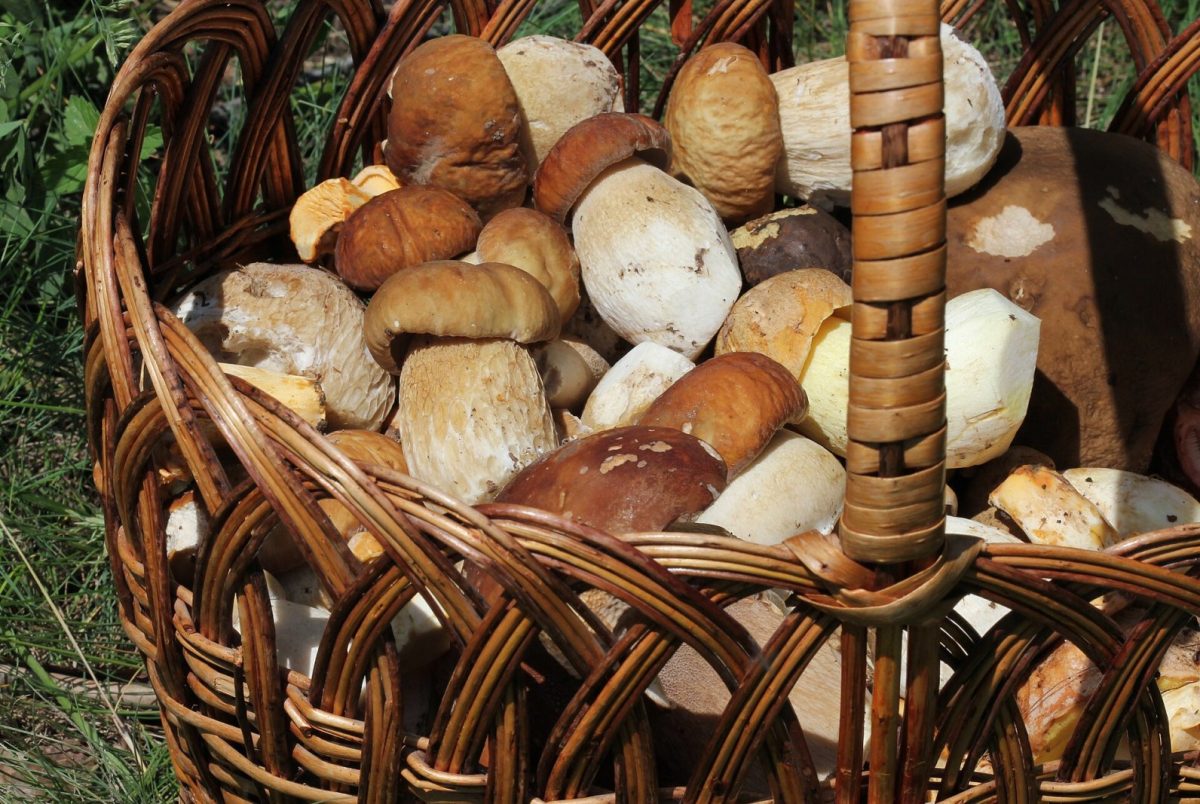
Neither plant nor animal: the kingdom that cooks apart
When autumn dampens the woods, that ambiguous gift we call “mushrooms” appears. It is worth remembering that they are neither plants nor animals, but a kingdom of their own. They share with flora a sedentary life and growth that does not stop as long as there is life; they share with fauna the fact that their cell walls are built with chitin, the same substance that hardens the shells of insects. That biological rarity explains much of their appeal in the kitchen: textures that resemble meat and earthy flavors that no vegetable quite reproduces.
A history of the table and the altar
The dietary use of mushrooms dates back to prehistory. Tradition attributes to the Greeks the idea that they gave strength to soldiers; Egyptian pharaohs reserved them as an exclusive delicacy; the Romans called them “food of the gods” and saved them for special occasions. In pre-Columbian America, various cultures integrated them into ceremonies and rituals, and in the East, they are still appreciated as food and as a tonic for their supposed therapeutic qualities.
That double life—food and symbol—is what interests us in an archive like this. But a clarification is needed here that folklore often blurs: the culinary mushrooms in these recipes are not psilocybin mushrooms. Shiitake, button mushrooms, or the seasonal mushrooms sold at the market are food, not entheogens. The psychoactive element that appears below does not come from the mushroom, but from the infused cannabis.
Ginger-stir-fried mushrooms
Serves four. This is a quick wok dish that allows for a cannabis infusion added after the heat is turned off (the classic “Mariana Milk”), although it works just as well without it.
Ingredients: 3 tablespoons vegetable oil · 3 cloves crushed garlic · 1 tablespoon red curry paste · ½ teaspoon turmeric · 450 g (approx. 1 lb) fresh mushrooms · ginger strips · 40 g (1.4 oz) dried shiitake (soaked, drained, and chopped) · 1 tablespoon lemon juice · 1 tablespoon soy sauce · 2 teaspoons sugar · salt · 10 cherry tomatoes · 200 g (7 oz) cubed tofu · cilantro for garnish · rice for serving · optionally, 200 ml (approx. 7 fl oz) cannabis infusion.
Preparation: Heat the oil and brown the garlic for one minute; add the turmeric and curry. Add the fresh mushrooms and ginger and sauté for two minutes. Add the shiitake, lemon, soy, sugar, tofu, and halved tomatoes; stir for three minutes. Turn off the heat and, only then, stir in the infusion if you are using it. Serve with rice.
Herb and cheese soufflé with sautéed mushrooms
Makes six individual soufflés. More elaborate, but eye-catching for a seasonal table.
Ingredients: 100 g (3.5 oz) butter · 50 g (1.75 oz) flour · 150 ml (5 fl oz) whole milk · 250 g (9 oz) ricotta · 4 eggs (yolks and whites separated) · 2 tablespoons parsley · 1 tablespoon thyme · 1 tablespoon rosemary · salt and pepper · 6 tablespoons grated parmesan · sautéed mushrooms to the cook’s taste · optionally, 200 ml (approx. 7 fl oz) cannabis infusion.
Preparation: Grease six molds (ideally 3.5 inches). Melt the butter, add the flour until smooth, pour in the milk, and whisk until you achieve a homogeneous cream. Off the heat, incorporate the ricotta, yolks, herbs, salt, and pepper. Beat the egg whites until stiff and fold them in carefully. Fill the molds to the brim, place them in a pan with boiling water halfway up the sides, and bake at 180 °C (350 °F) for about 20 minutes, until golden. Let cool for 10 minutes and unmold. Transfer to a greased dish, drizzle the infusion over the top if using, sprinkle with parmesan, and return to the oven at 200 °C (400 °F) for another 15 minutes. Serve with the sautéed mushrooms.
Critical reading: why cannabis edibles are deceptive
Cooking with cannabis is not the same as smoking it, and that is where the problem begins. When ingested, the liver transforms a large portion of the THC into a metabolite that many people describe as more intense and longer-lasting. Furthermore, the effect is not immediate: it can take anywhere from half an hour to two hours to be felt. This delay is the classic trap of the edible: those who feel nothing “take more,” and when the entire dish takes effect at once, the unpleasant experience—anxiety, tachycardia, discomfort—appears, which leads to so many emergency room visits each season.
That is why this article does not detail how to prepare the infusion or what quantity to use: dosage in cooking is difficult to measure and depends on the raw material, the heat, and each person’s metabolism. If someone decides to incorporate it, the keys to harm reduction are sober and well-known: the effect is delayed, it is best not to mix with alcohol, and no one should have the dish within reach without knowing what it contains—the risk of someone else, or a minor, eating it without warning is real. Labeling, separating, and warning is not excessive zeal: it is the bare minimum.
And one final distinction, because on a portal about states of consciousness they are easily confused: the euphoria or introspection that a cannabis edible may provide has nothing to do with the psilocybin experience. They are different molecules, pathways, and cultures. The mushroom in the stew nourishes; the trip, if it arrives, comes from elsewhere.


